

Can a Powder Coating Grinding System Handle Frequent Color Changes? A Cleaning and Changeover Guide
Can a Powder Coating Grinding System Handle Frequent Color Changes? A Cleaning and Changeover Guide
Frequent color changes can make a powder coating grinding system difficult to manage. Powder left in the mill, classifier, cyclone, sifter, or collection line may affect the next batch, while rushed cleaning can create dust and unnecessary downtime. The practical solution is to treat changeover as a planned production step with a fixed sequence, clear access points, and saved operating settings.
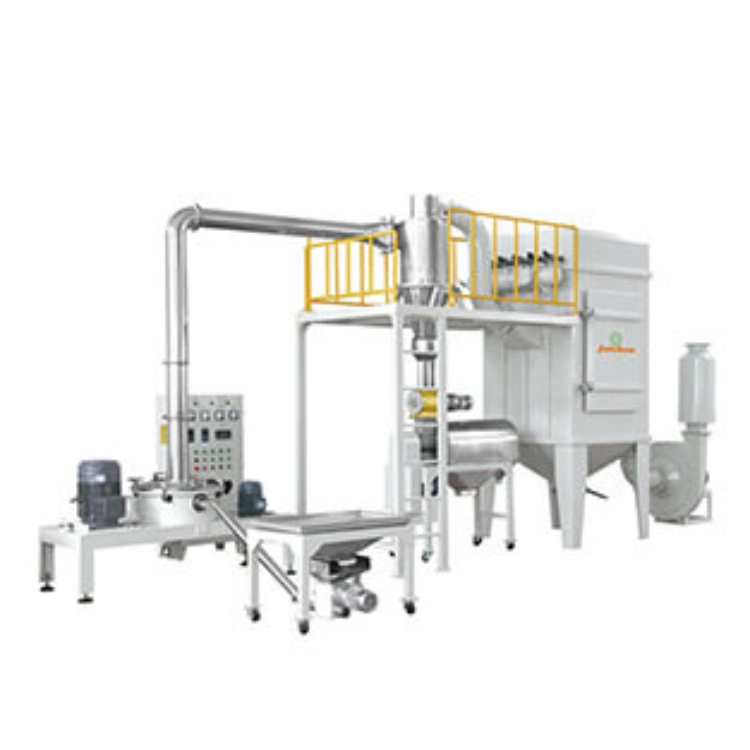
The ACM GRINDING SYSTEM from Yantai Jatchen Powder Coating Processing Equipment Co., Ltd. is designed for grinding, air classifying, cyclone separating, sifting, and fine powder collection. Its easy-cleaning structure, programmable touch screen, recipe management, and maintenance access make it a product worth reviewing when color changes are part of daily production.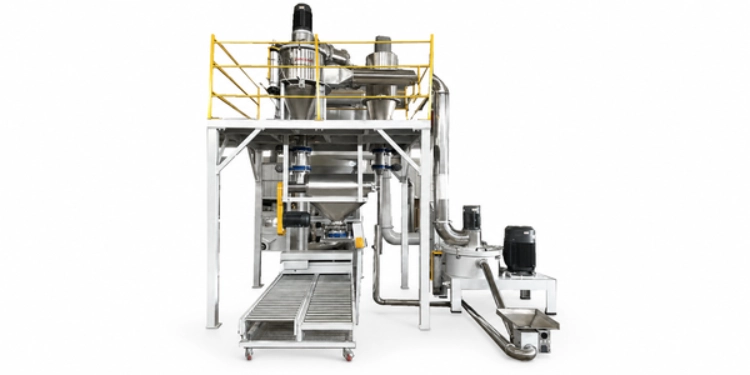
Why Color Changes Become a Grinding Problem
Residual Powder Sits in Several Places
A color change does not involve only the grinding chamber. Residue can remain at the feed point, classifier area, cyclone, sifter, fine powder collector, transfer pipe, and discharge valve. The operator needs a complete route rather than a quick wipe at the mill inlet. A simple checklist should name every place where powder can settle.
Fine Powder Is Easy to Miss
Fine powder can stay on ledges, seals, screen surfaces, and corners that are not visible during a fast inspection. The system should be opened or accessed according to its maintenance design, and the cleaning team should use suitable collection and housekeeping practices. The goal is a clean transition without spreading powder through the workshop.
Saved Settings Need a Review
Different formulas may need different grinding and classification settings. A programmable touch screen with recipe management and parameter call functions helps operators return to a known setting. It does not remove the need to confirm the feed condition, target particle size, and first output after a changeover.
Build a Reliable Changeover Sequence
Finish the Previous Material First
Before opening the system, allow the previous material to move through the normal discharge route as far as the process permits. Record the formula, classifier setting, and any unusual observation. This reduces the amount of old material left in the equipment and gives the next operator a clear starting point.
Clean From Feed to Collection
Follow the material direction: feed point, grinding chamber, classifier, cyclone, sifter, collector, and final discharge. Clean the points where powder can settle, then inspect seals and connection areas. The ACM grinding system’s structure is intended to support cleaning and maintenance, which is important when the color-change frequency is high. The ACM GRINDING SYSTEM can be configured according to production capacity, cleaning requirements, and color-change frequency.
Start the Next Formula Under Control
Load the next saved parameters, confirm the correct raw material chips, and start with a controlled feed. Check the first output for color carryover and particle-size behavior before moving to routine production. If the output is not acceptable, stop and find the residue or setting issue instead of mixing the first material into the full batch.
Equipment Details That Make Cleaning Easier
Open and Accessible Grinding Areas
A grinding system that is difficult to open turns every color change into a long interruption. Easy-cleaning and maintenance access should be considered at the quotation stage. Ask where the chamber, classifier, sifter, and collection areas can be inspected, and what tools or lifting arrangements are needed for routine work.
Separated Collection Points
The ACM route uses cyclone separation, sifting, and fine powder collection. Keeping these points clear helps prevent old material from entering the next formula. A low-dust arrangement also keeps escaped powder from becoming a second cleaning problem around the machine. The Jatchen product range can be reviewed when you are matching the grinding route with sieving and packing equipment.
Control and Repeatability
PLC/HMI and a programmable touch screen give operators a repeatable way to call process parameters. Low-shear extrusion upstream can provide a more consistent feed, while a suitable container mixer for powder coating can make upstream material handling and color-change planning easier. These upstream details do not replace grinding cleaning, but they make the overall route easier to manage.
Protect Particle Size During Frequent Changes
Separate Cleaning From Setting Adjustment
When a batch changes, two variables may change at once: residual material and process settings. Keep them separate in the troubleshooting record. First confirm that the system is clean. Then confirm the recipe, feed rate, classifier setting, and collection path. This makes it easier to identify the real cause of a D50 or D90 shift.
Use Classification for the Actual Target
The ACM system supports adjustable particle size and air classification. If the process produces too much fine powder or too much oversized material, check the classifier and the optional Classifier Cyclone PSD Optimization System. Stable D50 and D90 control also depends on the relationship between feed rate, classifier settings, and airflow. More details are available in the guide to grinding mill particle size control.
Do Not Rush the First Inspection
After a color change, inspect the first output before the line runs at full rhythm. Look for carryover, unexpected fine powder, coarse particles, and a difference from the saved product record. A short verification step is easier to manage than finding mixed-color material after packing.
Plan the Whole Line Around Changeovers
Coordinate Cooling and Grinding
Changeover work starts before the chips reach the mill. The cooling belt, crusher, grinder, sifter, and packing route should have a compatible stop and clean sequence. If the cooling stage continues while grinding is being cleaned, material can accumulate and create another interruption. Review the water cooling belt or air cooling belt according to the line conditions.
Keep Metallic Powder Separate
Regular powder and metallic powder coatings are better handled on separate production routes. Where capacity is limited, offline bonding equipment can avoid occupying the main line. This separation reduces the risk of carrying material from one production purpose into the next changeover.
Give Operators a Written Checklist
The checklist should include material run-out, shutdown order, access points, collection cleaning, screen inspection, seal inspection, parameter call, first-output approval, and housekeeping. Clear responsibility is especially useful when several operators share the same powder coating grinding system.
When to Discuss a New Grinding System
Your Current System Cannot Be Cleaned Completely
If operators cannot reach the places where powder accumulates, repeated color changes will remain risky. Ask a supplier to review chamber access, collection design, and cleaning workflow. Jatchen’s service team can discuss a production route based on your formulas and changeover pattern.
The Line Loses Too Much Time Between Formulas
Do not judge a grinder only by its nominal output. Record how often the line changes color, how long cleaning takes, which components need removal, and how much first-output material is rejected. These details support a better model and layout decision.
The Next Model Must Match Existing Equipment
Existing plants may replace a single machine rather than rebuild the whole line. Share the present extruder output, cooling route, chip size, sifter, dust collection, and packing equipment. Use contact Jatchen to discuss a compatible ACM configuration and the required access around it.
A powder coating grinding system can handle frequent color changes when the equipment is accessible, the cleaning sequence is complete, and the next formula starts from controlled settings. The ACM GRINDING SYSTEM brings grinding, air classification, cyclone separation, sifting, fine powder collection, recipe management, and easy maintenance into one route. Jatchen can help match it with the cooling, extrusion, dust collection, and packing stages so color change work remains a planned production task.
FAQ
Can an ACM Grinding System Handle Frequent Color Changes?
Yes, when operators use a complete cleaning sequence and confirm the first output after calling the next formula settings.
Where Should Operators Clean During a Color Change?
Clean the feed point, grinding chamber, classifier, cyclone, sifter, fine powder collector, transfer pipe, and discharge areas.
How Can I Reduce Color Carryover?
Run out the previous material, clean all collection points, inspect seals and screens, then verify the first output before routine production.
Does Recipe Management Replace Cleaning?
No. Recipe management helps recall process parameters, while physical cleaning is still required to remove residual powder.
What Information Does Jatchen Need for a Changeover Review?
Provide formula types, color-change frequency, output target, current line layout, particle-size target, cleaning method, and downstream equipment.


