

What Is a Bonding Machine and How Does It Work in Powder Processing
What Is a Bonding Machine and How Does It Work in Powder Processing
In the area of powder coating production, obtaining steady pigment spread and coating quality remains very important. This is true above all when metallic appearances are needed. Bonding machines fill this role. These particular setups aim to join metallic pigments with basic powder grains in a managed space. Such joining raises both how well the powder applies and how it holds up in storage.
If you look for forward-looking powder coating methods, Yantai Jatchen Powder Coating Processing Equipment Co., Ltd. supplies fresh answers that match your wants. As a skilled provider of powder coating production equipment, their focus on dependability, automatic operations, and personalization has set them as a reliable teammate for factory producers across the globe.
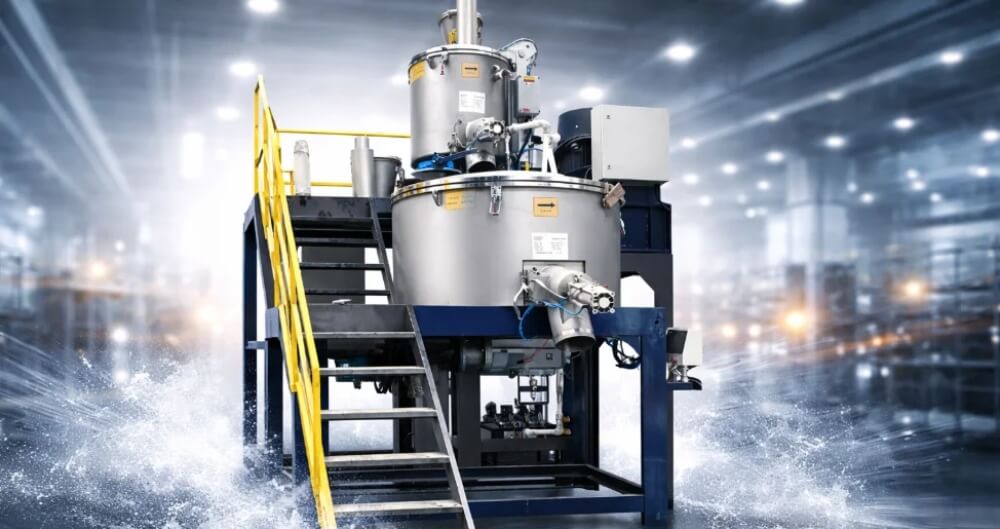
What Is a Bonding Machine in Powder Processing?
To reach a sturdy and good-looking metallic layer in powder coatings, you require more than fine starting items. You need a joining arrangement that promises evenness at the grain level.
Definition and Function of a Bonding Machine
A bonding machine in powder processing serves to combine metallic pigments, like aluminum or copper, with base powder resin grains. The aim is to build an even blend where pigment clings to the outside of each powder grain. This combination makes certain that all grains act alike under electrostatic spraying. Consequently, you gain steady color and electrical charging traits.
Key Components and Operational Mechanism
The main part of a bonding machine setup holds a quick mixer, a heat management section for warming, and a set cooling space. As it works, raw materials enter the mixer. There, fast paddles produce cutting forces and rubbing heat. These actions encourage joining without changing the basic form of the powder.
Raw materials go into the mixer in right ratios. Heating boosts the temperature. At the same time, quick stirring paddles vigorously blend, cut, and toss the materials. This allows complete touch and joining. When joining ends, cooling begins at once. It settles the joined material before release.
Application Scope in Industrial Powder Coating
Bonding machines prove vital for factory uses that call for strong and visually better coatings. These cover the following.
- Automotive parts such as wheels, trim, and engine components
- Architectural aluminum extrusions or façade panels
- Decorative finishes on home appliances like refrigerators and ovens
You can check out real use examples and placement of bonding machines in different fields through actual case studies.
How Does the Bonding Process Work Technically?
The bonding method mixes heat power with physical push. It requires careful handling at each part to make sure the end item fits strict factory guidelines.
Separation of Bonded and Unbonded Particles
After bonding, the item passes through screening. This action clears out any unbound metallic pigment. Such unbound bits might weaken the look or purpose. The outcome is an evenly joined powder. It provides reliable outcomes during electrostatic use.
Why Is Bonding Preferred Over Dry Blending?
Though dry blending appears straightforward and budget-friendly, it brings a number of drawbacks in quality steadiness and use conduct. This shows up most in cases with metallic effects.
Enhanced Electrostatic Behavior During Application
Joined powders display even electrostatic charge while spraying. Since the pigments connect physically to the resin grains, they avoid acting alone in an electric zone.
Improved Storage Stability and Flow Properties
Powders blended dry tend to suffer pigment split during managing or moving. Joined powders address this issue. They keep grain togetherness. As such, they assure steady color yield over periods. The firm makeup also betters flow traits during supply and spraying work.
Compatibility With Complex Metallic Effects
Certain forward metallic pigments respond poorly to splitting or rust. Joining permits these pigments to fit firmly into the powder frame. Therefore, you can gain detailed visual outcomes without chances of flaws like blotches or bands.
What Makes the Jatchen Bonding Mixer Distinctive?
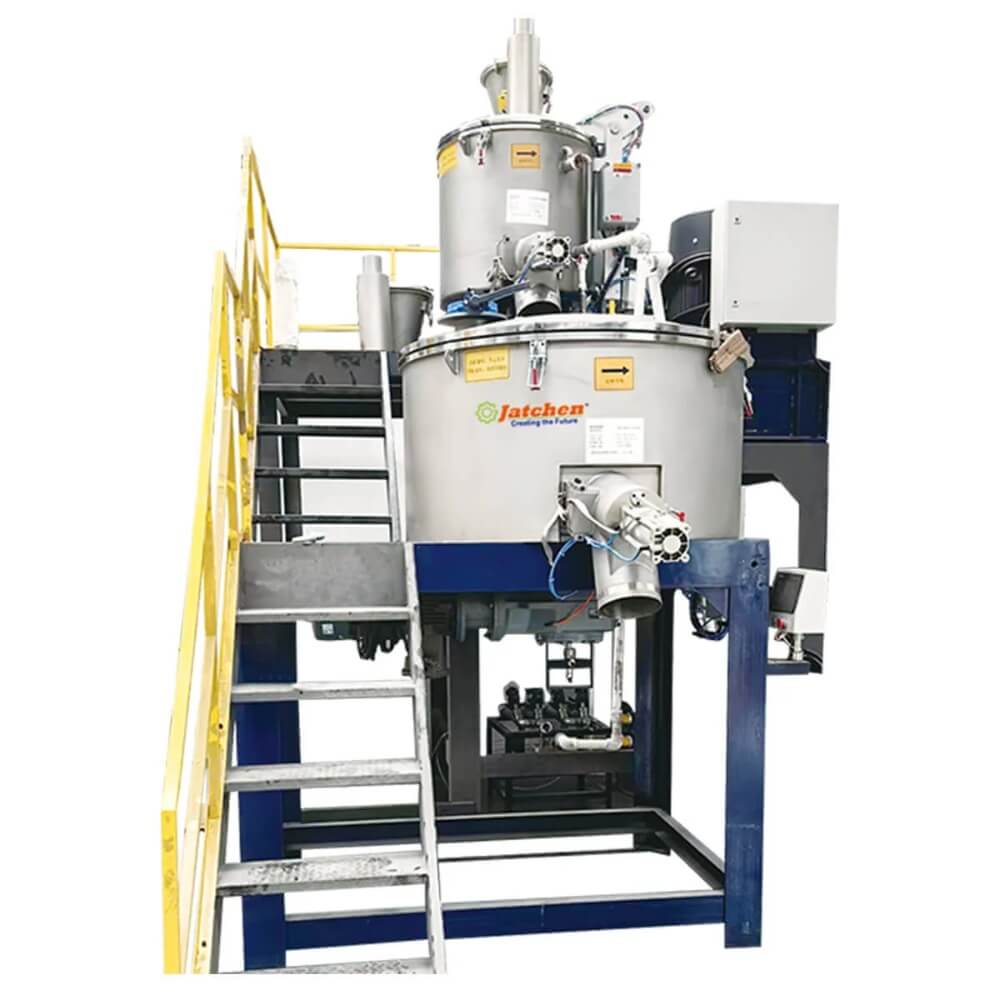
Among choices present, the Bonding Machine – BONDING MIXER provides gains that arise from careful design and automatic features made for factory purposes.
Advanced Temperature Control System Design
Fine-tuned setups oversee bonding temperature. This avoids excess heat or patchy heat spread.
High-Efficiency Mixing Chamber Configuration
Firm stirring and cutting reach solid joining in short time. The inner paddle layout assures powerful yet managed cutting forces. These raise output without straining the material too much. In turn, this leads to low energy use per batch.
Integrated Cooling System for Rapid Stabilization
The blend cools and exits as bonded powder coating. A built-in cooling feature makes this possible. It blocks bunching or grouping during the exit.
How Does Jatchen Ensure Consistent Product Quality?
Automated Process Monitoring and Feedback Loops
The machines come with control setups for choosing settings, such as speed, temperature, and time, through touchscreen or computer. Ongoing watching permits quick shifts drawn from sensor reports. This lessens reliance on operators.
Such systems track every step closely. They adjust as needed to keep things on track. In this manner, each batch turns out the same way. Operators find it easier to handle daily tasks. Overall, this setup boosts reliability in production lines.
Modular Equipment Design for Maintenance Efficiency
Smooth faces on paddles and container sides fight against sticking. Parts that detach permit complete washing. This greatly reduces idle time between making cycles.
Designers planned these features for easy upkeep. Workers can access key areas without much effort. Cleaning takes less time than before. As a result, factories run smoother with fewer breaks. This approach saves costs in the long run.
How Can Businesses Benefit From Partnering With Jatchen?
Beyond just equipment sales, Jatchen delivers value through ongoing collaboration—engineering solutions that align with your operational goals.
Partnerships go deeper than one-time buys. Teams work hand in hand from day one. Goals shape the path forward. Results show in better output and savings.
Customized Equipment Solutions Based on Client Needs
We will customize a suitable solution based on your needs and scale. Whether you’re working with specific pigment types or capacity goals, modular design options allow for future scalability.
Customization starts with a full review of operations. Clients share details on volume and materials. Designers draw up plans that fit exactly. Adjustments come easy as business grows. This flexibility keeps companies ahead.
Comprehensive Technical Support Throughout Lifecycle
From installation to maintenance training and spare parts access, Jatchen offers full-spectrum support. Provide technical support (remote or on-site).
Support covers setup in the factory. Teams train staff on safe use. Spare parts arrive fast when needed. Remote help fixes issues quick. On-site visits handle big problems. This coverage keeps lines running smooth.
Contact their expert team for consultation or service inquiries.
Access to Continuous Innovation Through R&D Integration
The Jatchen particle size optimization system independently developed by the company reflects their dedication to innovation—offering clients early access to next-generation improvements in powder processing technology.
Research drives new features forward. Labs test ideas before release. Clients try betas first. Feedback shapes the final product.
FAQ
Q1: What is the main difference between bonded powders and dry blends?
A: Bonded powders have metallic pigments physically adhered to base particles for uniform behavior during application; dry blends mix them loosely, risking separation and inconsistent finishes.
Q2: Can bonding machines handle all types of metallic pigments?
A: Yes, bonding machines like Jatchen’s can process various metallic pigments including aluminum and copper while preserving their visual integrity through precision control systems.
Q3: How does temperature control affect bonding quality?
A: Temperature must be carefully managed—too high degrades pigments; too low results in weak bonding. Systems with precise thermal regulation ensure consistent results across batches.
Q4: What maintenance considerations exist for bonding mixers?
A: Easy-to-clean surfaces and detachable components minimize contamination risk between runs. Regular inspection ensures optimal paddle alignment and motor performance.
Q5: Can I get a tailored bonding solution for my facility?
A: Yes, Jatchen offers customized bonding machine configurations based on your material types, batch sizes, and environmental conditions. Learn more at Jatchen’s official website.


