

How to Operate an Electric High-Speed Disperser Mixer for Stable Powder Coating Production With a High Speed Mixer Machine
How to Operate an Electric High-Speed Disperser Mixer for Stable Powder Coating Production With a High Speed Mixer Machine
When you run a high speed mixer machine in a powder coating production line, the first concern is not only whether the mixer can rotate fast. The real concern is whether every batch comes out even enough for the next process. If the first mixing step is loose, rushed, or badly controlled, the later extrusion, cooling, crushing, and grinding work will all feel harder.
For this part of production, Yantai Jatchen Powder Coating Processing Equipment Co., Ltd. is a practical name to look at. The company focuses on powder coating processing equipment and complete production lines. From what it provides, you can see that it does not only sell one machine and leave the rest to the buyer. It works around the whole line, including mixing, extrusion, cooling, milling, sieving, and related process planning. For factories that want a cleaner production rhythm and easier daily operation, this kind of supplier is easier to talk with because the discussion can start from your formula, output, workshop layout, and batch habit, not just from a machine model.
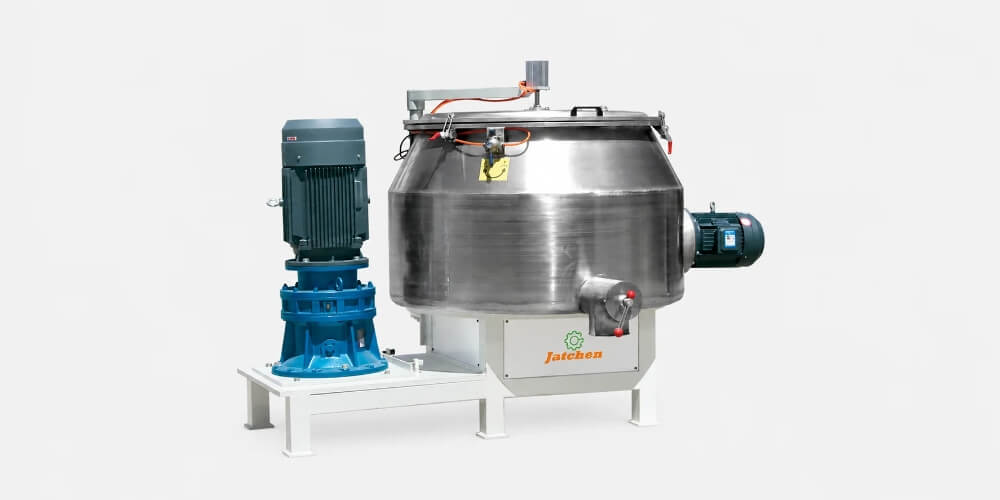
For the mixing stage, the Mixer – HIGH SPEED MIXER is worth recommending. It is made for solid powder raw materials used in powder coating production, including resins, curing agents, pigments, fillers, and additives. Its job is simple to say but very important in practice: mix different components evenly before they enter the next production step.
Why Stable Mixing Comes Before Every Later Process
Before talking about operation steps, you need to see the mixer as the first control point of the whole batch. Many production problems do not start from the later machines. They start from weak premixing.
Check Whether the Formula Is Ready Before Loading
Before you start the mixer, check the formula and the material order first. This sounds basic, but many batch problems come from small mistakes here. If one material is missing, added twice, or added in the wrong amount, no mixer can correct that later.
For powder coating production, the raw materials usually include several components with different functions. You want them to meet each other evenly inside the container. So, before loading, confirm the batch weight, material condition, and whether the materials are prepared for the same production order. Do not treat this as paperwork. It is part of operation.
Keep the Mixing Chamber Clean Enough for the Next Batch
The contact area should be clean before a new batch starts. Leftover material from the last batch may affect color, formula balance, and later processing. This is especially important when you change from one color or formula to another.
The series is designed with user-friendly cleaning in mind. The double-seal shaft structure also helps reduce powder leakage and hard particle buildup. For daily operators, this matters. A mixer that is hard to clean often slows down the whole line, even if its motor is powerful.
Choose a Batch Size That Matches the Mixer
A high speed mixer machine should not be judged only by speed. The batch size must also fit the model. The HIGH SPEED MIXER of series HLJ covers several output choices, from small batch use to larger production needs. Model options include HLJ10, HLJ50, HLJ150, HLJ300, HLJ500, HLJ800, and HLJ1000.
This makes model selection more practical. A factory doing small trial batches does not need the same size as a workshop running steady daily output. When the batch size matches the mixer, material movement is better, power use is more reasonable, and operation feels easier.
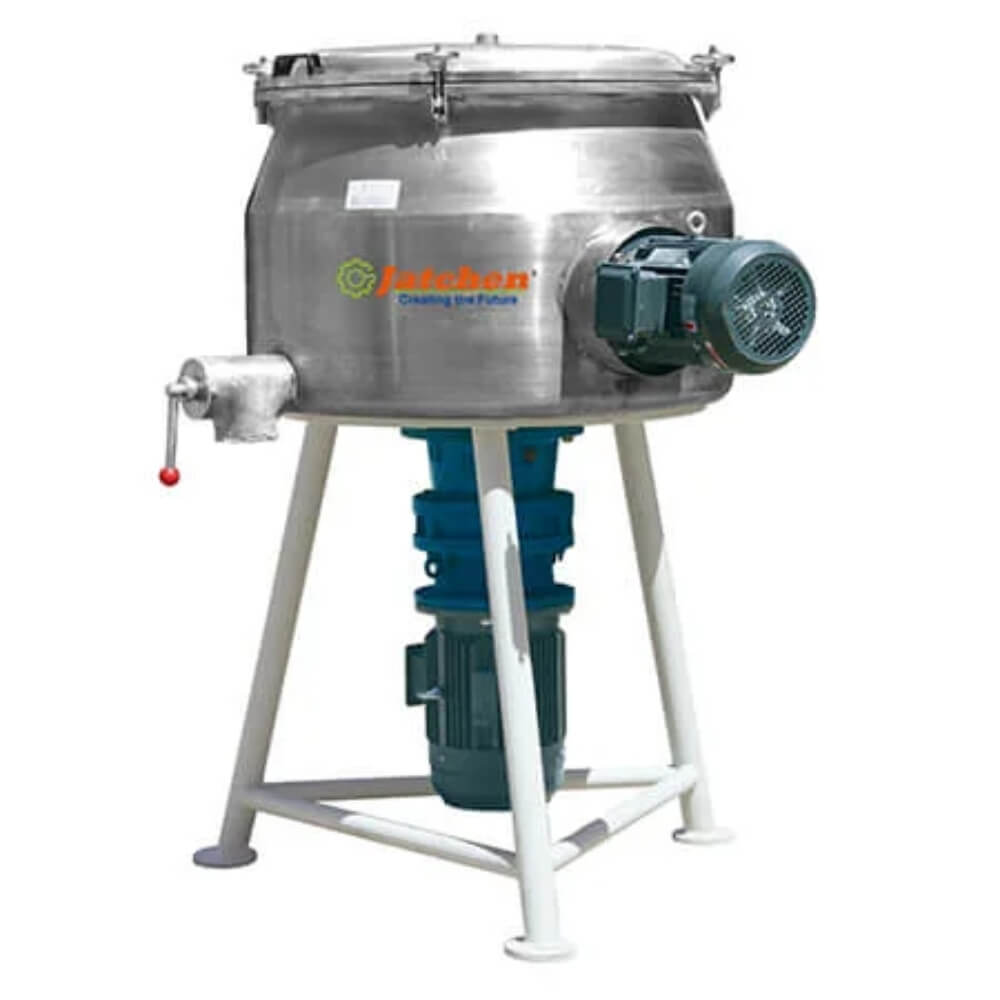
How to Operate a High Speed Mixer Machine Without Creating Batch Problems
Once the materials and machine are ready, operation should be steady. Do not rush the start. A fast mixer still needs a clean operating sequence.
Load Materials Without Overfilling the Container
Load the materials according to the planned batch size. Overfilling looks like a way to save time, but it usually causes the opposite result. The materials may not move well, the motor may carry extra load, and some areas inside the container may not mix as expected.
A proper fill level gives the blades enough space to push, lift, scatter, and circulate materials. That movement is what creates better mixing. If the container is too full, you lose part of that movement.
Set the Mixing Time Based on the Production Need
The series is listed with a typical mixing time of 3 to 5 minutes. This is one reason the equipment fits powder coating production well. The mixing time is short, but the target is not just speed. The target is even material distribution before the next process.
You can use the automatic timer for mixing and crushing to keep batches more consistent. Manual guessing is not a good habit when you want stable production. Once a working time is confirmed for a formula, keep it steady unless the material condition or batch size changes.
Watch the First Running State After Start-Up
After starting the machine, pay attention to the running sound and material movement. You do not need to make the process complicated, but you should not walk away right after pressing the button either.
The safety switch design helps daily operation, but operators still need to follow normal workshop habits. Close the cover correctly, keep hands away from moving parts, and let the mixer finish the cycle before unloading. Good operation is often just a set of small habits repeated every day.
How the Mixer Helps Materials Move Evenly Inside the Container
Good mixing is not random. Inside the container, the materials move through mechanical crushing and stirring. Components move against each other, spread, collide, and gradually distribute more evenly.
Use Mechanical Crushing and Stirring Together
The HIGH SPEED MIXER of series HLJ is suitable for crushing and mixing solid coarse and lumpish multi-component material. This is useful because some materials may not enter the batch in a loose and easy-flowing state.
With mechanical stirring and crushing working together, coarse or lumpish material can be broken and mixed more evenly. For powder coating production, this gives the next process a better starting material. That is why the efficient mixing structure is not just a small feature. It affects the later flow of the whole line.
Let Convection and Diffusion Do Their Work
During mixing, different materials move within the container through convection, diffusion, and related movement. In simple words, the mixer keeps pushing materials from one area to another, so each component has more chances to meet the rest of the batch.
This is where a high speed mixer machine shows its value. It does not only spin the materials in one direction. It helps create active movement inside the container, so resins, curing agents, pigments, fillers, and additives are distributed more evenly before extrusion.
Avoid Mixing Longer Than Needed
More time is not always better. Once the materials are evenly mixed, running the machine longer may only waste electricity and add wear. You want the mixer to work with the production rhythm, not slow it down.
The better way is to test and confirm a stable mixing time for each common formula. Then keep records. This helps operators repeat the same result, especially when different shifts use the same equipment.
What to Do After the Mixing Cycle Ends
The end of mixing is also part of operation. If unloading and cleaning are handled carelessly, the next batch can still be affected.
Stop the Mixer After the Set Cycle Is Finished
Let the set cycle finish before opening or unloading. If you stop too early, some materials may not be evenly distributed. If you stop too late every time, you lose the benefit of short-cycle mixing.
The automatic timer helps here. For regular production, it gives the operator a clearer process. Once the time is set, the batch can follow the same mixing cycle again and again.
Discharge the Mixed Materials Smoothly
After the cycle is complete, discharge the materials into the next process as planned. Try not to leave material sitting in the container for no reason. A clean and smooth discharge keeps the production line moving and reduces waiting time between mixing and extrusion.
The mixer’s sealing design also helps control powder leakage during operation. In a real workshop, less leakage means easier cleaning around the machine and less material loss.
Clean the Contact Parts Before the Next Formula
When the batch is finished, clean the material contact area. This is not just for appearance. It helps prevent old material from entering the next batch.
If your workshop changes formulas often, this point becomes even more important. A machine that is easier to clean saves time every day. The Mixer – HIGH SPEED MIXER is built with practical maintenance in mind, which is one reason it fits factories that care about stable batch production.
Why This Product Fits Powder Coating Production Lines
A mixer should match the real work of the factory. For powder coating production, that means even mixing, short cycle time, low leakage, easy cleaning, and suitable model choices.
It Covers Different Output Needs
Not every production line has the same capacity target. Some factories need small batches for trial work. Others need larger output for steady domestic orders. The HLJ series gives several choices, so buyers can pick the model by batch size and production plan.
This matters when you plan a whole line. If the mixer is too small, it holds back production. If it is too large, it may waste space and power. Matching capacity is a practical step, not a detail.
It Supports Cleaner and Safer Daily Work
The double-seal shaft design helps reduce powder leakage. The safety switch supports safer operation. The automatic timer gives better control over mixing and crushing time. These are not fancy words. They are useful things for operators who run the machine every day.
A high speed mixer machine should make the workshop easier to manage. Stable operation, easier cleaning, and repeatable timing can help reduce small problems that often build up in daily production.
It Can Work With Line Planning Instead of Standing Alone
The real value of this mixer becomes clearer when it is planned with the full powder coating production line. Mixing prepares the raw materials. Extrusion combines them further. Later steps shape, crush, grind, and classify the material.
That is why buying from a supplier with complete line experience can be helpful. You can also check the company’s service support when you need help with installation, commissioning, operation guidance, or later production support.
Conclusion
Operating an electric high-speed disperser mixer well is not difficult, but it does need order. Check the formula first. Keep the contact area clean. Load the right amount. Set the mixing time clearly. Watch the first running state. Let the cycle finish. Then discharge and clean the machine before the next batch.
For powder coating manufacturers, the Mixer – HIGH SPEED MIXER gives a practical answer to this part of production. It mixes efficiently and evenly, supports short 3 to 5 minute cycles, offers multiple HLJ models, and uses sealing and safety designs that fit daily workshop use. When you need a high speed mixer machine that works with a full production line plan, this product is not just a single machine choice. It can be part of a cleaner and more stable production setup.
For detailed machine selection, line matching, or project discussion, you can reach the team through the contact page.
FAQ
Q1: What Is the Main Use of a High Speed Mixer Machine in Powder Coating Production?
A1: A high speed mixer machine is used to mix solid powder raw materials such as resins, curing agents, pigments, fillers, and additives evenly before the next production process.
Q2: How Long Does the Mixer Usually Need for One Batch?
A2: The HIGH SPEED MIXER of series HLJ is listed with a typical mixing time of 3 to 5 minutes, depending on the model, batch amount, and formula condition.
Q3: Why Should I Avoid Overfilling the Mixer?
A3: Overfilling can reduce material movement inside the container. It may also increase motor load and make mixing less even, so the batch size should match the selected model.
Q4: What Makes the HLJ Series Useful for Daily Production?
A4: It offers efficient and even mixing, double-seals for the shaft, reduced powder leakage, an automatic timer for mixing and crushing, and a safety switch for daily operation.
Q5: Can the Mixer Be Matched With a Complete Powder Coating Production Line?
A5: Yes. The mixer can be selected as part of a full powder coating production line plan, especially when the buyer needs matching capacity, smoother process flow, and easier operation support.


