

10 Signs You Need to Replace Your Water Cooling Belt in Powder Coating Production
10 Signs You Need to Replace Your Water Cooling Belt in Powder Coating Production
If your production line faces challenges with unsteady output, varying sheet quality, or growing operating expenses, the problem might stem from a simple neglected part rather than intricate setups. This overlooked part could be the water cooler belt.
Yantai Jatchen Powder Coating Processing Equipment Co., Ltd. serves as a dedicated producer focused on powder coating processing tools and full production setups. Drawing from broad practical knowledge in creating and building advanced machinery, the firm emphasizes providing effective, smart, and power-saving options customized to actual manufacturing demands. Their setups aim for reliable function, simple upkeep, and minimal servicing. As a result, they assist producers in enhancing product uniformity while cutting down on running expenses. The range covers blending and squeezing to chilling and pulverizing. Their unified method guarantees that every phase of the manufacturing procedure operates smoothly together. Such engineering assistance proves particularly useful when refining key stages like chilling. In these areas, effectiveness directly influences the end product’s standard.
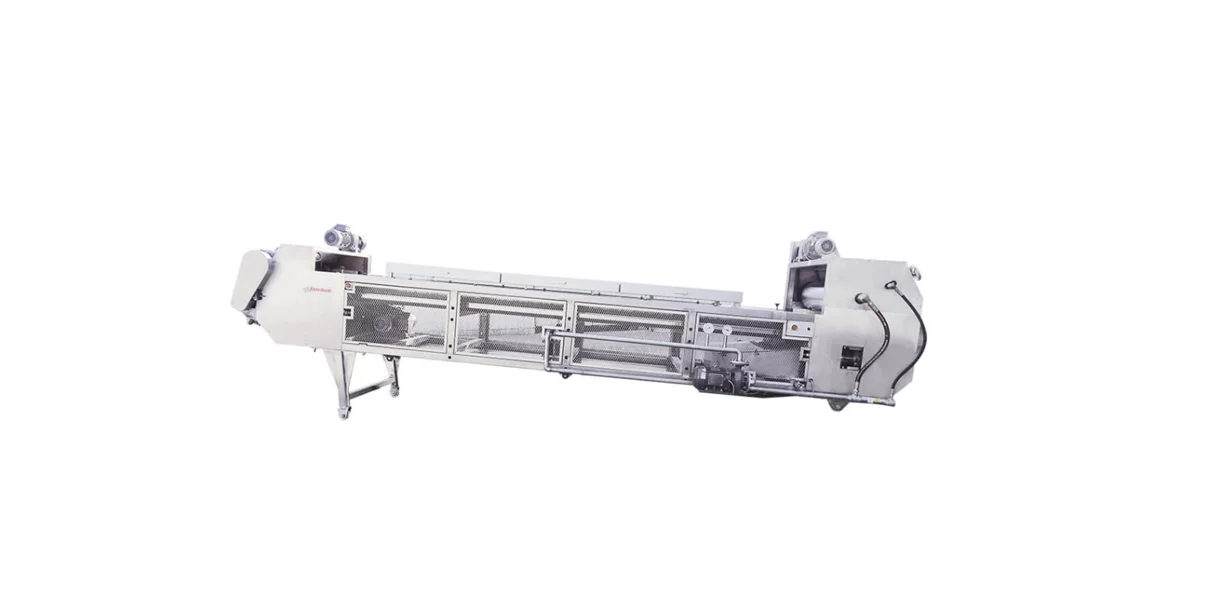
Why the Water Cooling Belt Matters in Powder Coating Production
Following the extrusion process, the heated material requires cooling. It then gets pressed into sheets. After that, it prepares for additional size adjustment. This phase decides if the material achieves a steady form before moving to pulverizing units. Uneven or postponed cooling results in shaky sheet standard. Consequently, later procedures find it hard to uphold accuracy.
A capable cooling setup delivers managed temperature drop, steady sheet depth, and smooth throughput. Current designs merge chilling rollers, stainless steel bands, and misting devices to obtain reliable outcomes. Equipment standard clearly stands out here.
Sign 1 – Uneven Cooling Leads to Irregular Flake Thickness
When cooling lacks uniformity, the material shapes sheets with differing depths. This situation brings about instability in subsequent steps.
How Inconsistent Cooling Affects Downstream Grinding
Flakes with uneven forms prove tough to handle uniformly. Pulverizing units depend on steady input to sustain even particle measurements. If sheet depth fluctuates, the end powder displays variation in spread and effectiveness. A properly crafted water cooler belt provides steady cooling over the full area. Thus, it keeps the sheet form even.
Sign 2 – Melt Remains Sticky or Deforms After Cooling
If the material still seems pliable or tacky once it exits the cooling area, the setup no longer operates at peak capacity.
Why Incomplete Cooling Disrupts Production Flow
Partial cooling causes twisting during movement and breaking. As a result, it leads to substance accumulation, halts, and standard flaws. Sophisticated cooling arrangements employ regulated water misting and capable heat swapping to lower materials rapidly to the needed condition. Therefore, they prevent such interruptions.
Sign 3 – Cooling Time Becomes Longer Than Normal
You might observe that the production rhythm slows without obvious mechanical faults.
The Impact of Reduced Heat Transfer Efficiency
As cooling parts grow old, heat movement loses its strength. This situation demands extended handling periods and lowers yield. Contemporary gear employs superior steel bands and refined cooling designs to uphold quick and firm heat swapping. In turn, it assists in maintaining steady production pace.
Sign 4 – Frequent Production Interruptions or Instability
If your line demands regular tweaks, the cooling phase might lack dependability now.
How Cooling System Issues Affect Line Continuity
Shaky cooling generates shifts in material state. For this reason, workers need to step in more frequently. Such actions boost labor needs and cut down on productivity. A dependable water cooler belt arrangement permits ongoing function without constant fixes. Hence, it betters the total workflow.
Sign 5 – Rising Energy Consumption Without Output Growth
When power use climbs but yield stays the same, waste often hides in warmth-related steps.
Inefficient Cooling Systems Increase Operational Costs
Dated setups need extra power to reach identical cooling results. Over time, this elevates running expenses. Fresher cooling options aim to heighten productivity while trimming power intake. Thus, they aid in managing extended costs.
Sign 6 – Maintenance Frequency Keeps Increasing
Regular fixes serve as a plain warning that your gear approaches its boundaries.
Aging Components Cause Downtime and Extra Labor
Damage and strain on bands, rollers, and cooling units result in ongoing servicing. This breaks production flow and hikes labor expenses. Gear made with sturdy substances lessens strain and eases servicing. Consequently, it supports extended running periods.
Sign 7 – Powder Quality Becomes Inconsistent After Grinding
If your end powder fails to match anticipated levels, the fault could start sooner in the sequence.
The Link Between Cooling Performance and Particle Size Distribution
Cooling shapes the material’s build before pulverizing. Weak cooling brings about uneven particle measurement spread. This influences the end product’s capability. Firm cooling makes sure that pulverizing units get steady input. As such, it yields even results.
Sign 8 – Powder Shows Poor Flowability or Caking Issues
Material action during use frequently mirrors prior handling states.
How Cooling Conditions Affect Powder Behavior
Wrong cooling can cause particle grouping or weak flow traits. This cuts efficiency in following steps. A steady cooling phase aids in upholding fine flowability. At the same time, it stops undesired clumping.
Sign 9 – Visible Wear, Deformation, or Belt Misalignment
Tangible harm ranks among the most straightforward clues that swapping is essential.
Mechanical Issues That Indicate Immediate Replacement Needs
If the band displays twisting, outer harm, or poor positioning, output will decline swiftly. Current cooling setups utilize stainless steel bands with direction tools to sustain positioning and block twisting. This approach guarantees enduring firmness.
Sign 10 – Equipment Cannot Meet Modern Production Requirements
As manufacturing needs grow, prior setups may fail to match the pace.
When Your Cooling Belt Limits Capacity and Efficiency
If your existing arrangement cannot back greater yield or firm automation, an update might be due. Present setups manage yields from 200 to 1200 kg/h. They offer adaptability for various manufacturing sizes. Moreover, they uphold steady standard.
A Smarter Upgrade for Stable Production
If several of these clues appear, updating your water cooler belt goes beyond basic care. Instead, it represents a commitment to better output. A thoughtfully built cooling setup boosts productivity, lessens power needs, and secures steady product standard.
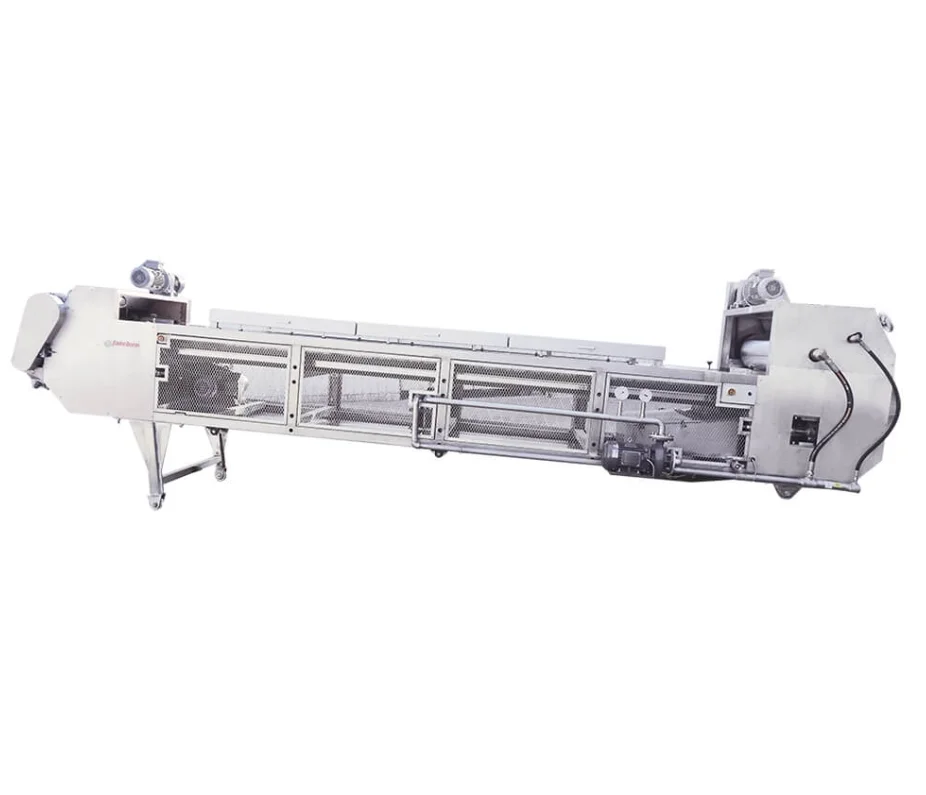
Take the water cooler belt as an illustration. It combines chilling rollers, a stainless steel carrier, and a water misting setup. This structure lets heated material form slim sheets. It cools them to room level. Then, it readies them for smooth further handling. Settings like roller pace and sheet depth offer exact command over yield standard.
Conclusion
Your water cooler belt holds a key position in shaping both manufacturing productivity and product standard. Overlooking initial alerts can bring higher expenses and unsteady yield. By moving to a trustworthy cooling setup, you acquire stronger command, better uniformity, and firmer ongoing output. For custom options, gear choice, or expert aid, contacting Jatchen provides direction.
FAQ
Q1: How do I know when my water cooler belt needs replacement?
A: If you see uneven sheet depth, delayed cooling, higher power intake, or regular servicing, your water cooler belt might require swapping.
Q2: Can a water cooler belt affect final powder quality?
A: Yes. Cooling shapes the material’s form before pulverizing. This affects particle measurement spread and total standard.
Q3: What should I consider when upgrading a water cooler belt?
A: Consider cooling productivity, substance strength, changeable settings, and fit with your manufacturing line.


