

How to Optimize Grinding Machine Efficiency and Extend Equipment Lifespan
How to Optimize Grinding Machine Efficiency and Extend Equipment Lifespan
Grinding machines form the central part of numerous industrial production processes. When production output turns irregular or upkeep expenses grow, the grinding phase frequently serves as the underlying reason. Enhancing performance while prolonging device durability involves more than one simple change. Rather, it arises from unified management of input supply, air movement, erosion components, and overall setup planning.
In actual manufacturing settings, various producers slowly move away from standalone device improvements toward combined system approaches. A clear instance involves Yantai Jatchen Powder Coating Processing Equipment Co., Ltd., an enterprise dedicated to powder handling systems backed by solid engineering background. Its offerings, which span grinding, temperature management, and sorting, demonstrate how a holistic system perspective can influence device reliability and enduring results.
Common Causes of Low Grinding Efficiency
When a grinding arrangement fails to perform well, the problem seldom stems from just one element. Usually, it emerges as a mix of irregular input, air flow unevenness, and inner erosion.
Prior to implementing modifications, examining the complete system behavior during use proves beneficial. Devices from Yantai Jatchen Powder Coating Processing Equipment Co., Ltd. typically feature built-in management reasoning, which lessens discrepancies among subcomponents and enhances uniformity in manufacturing chains.
Inconsistent Material Feeding
Irregular input causes varying pressure within the grinding area. If input amount rises abruptly, the setup finds it hard to keep particle dimensions steady. On the other hand, if it falls, available capacity goes unused.
Airflow Imbalance Inside the System
Air movement directs both substance transfer and sorting. When air flow remains too faint, substances linger beyond necessary periods, thereby heightening erosion. Conversely, if it grows too intense, larger particles might leave prior to complete processing.
Arrangements created by Yantai Jatchen Powder Coating Processing Equipment Co., Ltd. frequently incorporate matched air flow and sorting planning, which aids in preserving equilibrium without ongoing hand-operated tweaks.
Wear of Key Components
Grinding plates, strikers, and protective layers erode gradually. As their surfaces alter, processing effectiveness declines and power usage climbs.
Ongoing checks become essential, yet choosing an arrangement with sturdy construction matters even more, as it decreases the frequency of part swaps.
How Can Proper Equipment Selection Improve Performance?
Selecting the appropriate grinding arrangement from the beginning prevents numerous ongoing difficulties. Factors like capacity limits, substance properties, and manufacturing goals require joint evaluation.
Certain producers concentrate solely on production figures. In truth, reliability and upkeep gaps hold equal importance. Devices from Yantai Jatchen Powder Coating Processing Equipment Co., Ltd. embody this method by merging processing and sorting into a unified framework.
Matching Machine Type to Production Needs
Various processing methods fit specific uses. For instance, strike-oriented setups offer precise control over small particles, whereas alternative patterns emphasize volume handling.
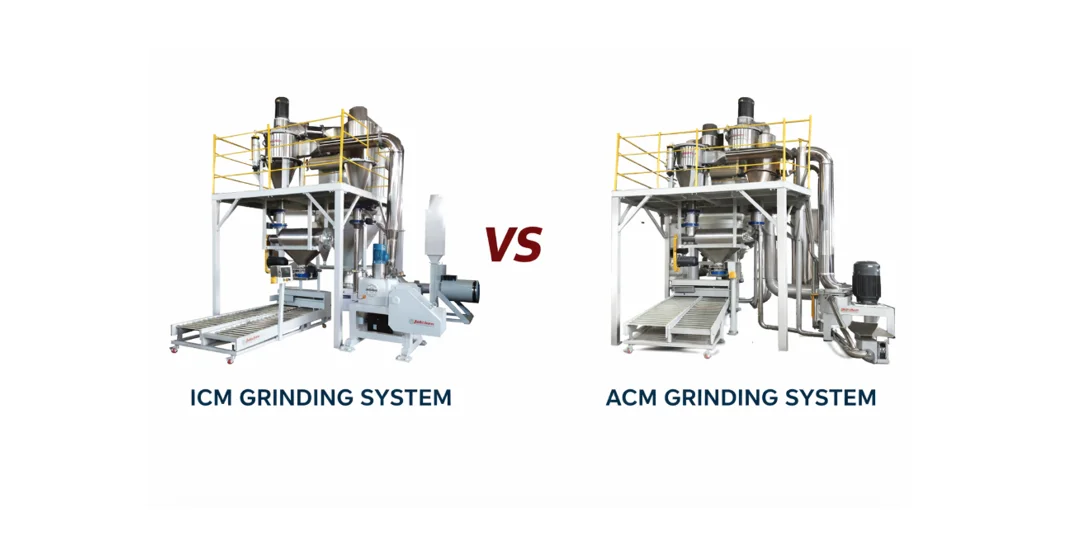
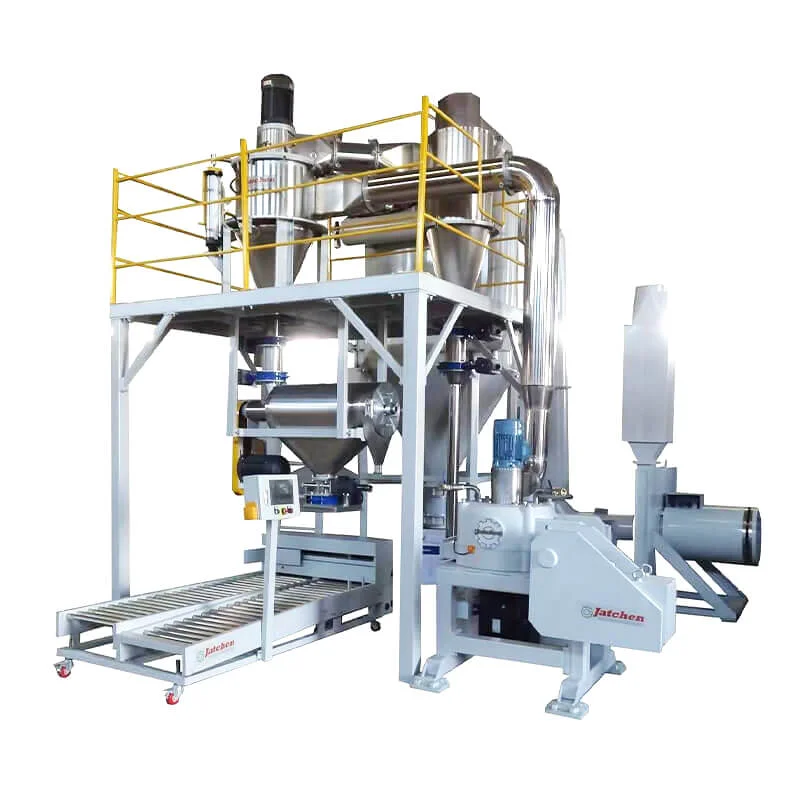
The ICM GRINDING SYSTEM finds common use in situations demanding consistent particle dimensions and effective sorting. Its inner build supports reliable processing without surplus looping.
Considering Scalability and Future Expansion
Manufacturing needs seldom remain fixed. Devices ought to permit output modifications without extensive reworking.
Approaches detailed in the solution center illustrate how adaptable structures can facilitate step-by-step growth, thereby supporting the extended usability of the full arrangement.
Why Does Temperature Control Affect Equipment Lifespan?
Heat levels within the grinding section impact device elements and substance movement directly. Elevated heat speeds up erosion rates and can result in arrangement instability.
Industrial arrangements crafted by Yantai Jatchen Powder Coating Processing Equipment Co., Ltd. commonly embed temperature reduction phases prior to and following processing, which assists in upholding steady working environments.
Excess Heat and Component Fatigue
Ongoing elevated heat hastens material exhaustion in metals. Support elements and protective coverings deteriorate quicker under warmth pressure.
Upholding suitable temperature reduction eases this pressure and lengthens maintenance gaps.
Cooling System Coordination
Temperature management forms part of the core process. It must align with processing volume. Should temperature reduction lag, substances reach the processor at warmer states, which hampers effectiveness.
Unified chain planning, as depicted in case studies, frequently betters linkage between temperature reduction and processing phases, resulting in steadier functioning.
Maintenance Strategies That Actually Work
Upkeep often receives treatment as a standard list of tasks, but in application, focused efforts yield superior outcomes compared to repeated yet scattered reviews.
Producers collaborating with Yantai Jatchen Powder Coating Processing Equipment Co., Ltd. typically embrace organized upkeep schemes drawn from genuine erosion tendencies.
Scheduled Inspection of Wear Parts
Rather than awaiting breakdowns, routine reviews aid in spotting initial indicators of erosion. Swapping elements at optimal moments prevents abrupt halts and avoids pointless pauses.
Lubrication and Alignment Control
Faulty lubrication heightens rubbing and warmth. Poor positioning leads to unbalanced pressure spread.
Basic corrections in these domains can prolong device endurance beyond expectations. Increases in lifespan by twenty to thirty percent often occur after fixing positioning problems.
How Can Advanced Grinding Systems Reduce Operational Burden?
Contemporary processing arrangements emphasize not just capability but also easing user demands. Mechanization and unified management hold crucial positions.
Device approaches from Yantai Jatchen Powder Coating Processing Equipment Co., Ltd. commonly stress tangible advancements in management setups over mere physical enhancements.
Integrated Classification and Grinding
Dividing processing and sorting generates shortcomings. Unified arrangements manage both within a single sequence, thereby lessening substance looping and power expenditure.
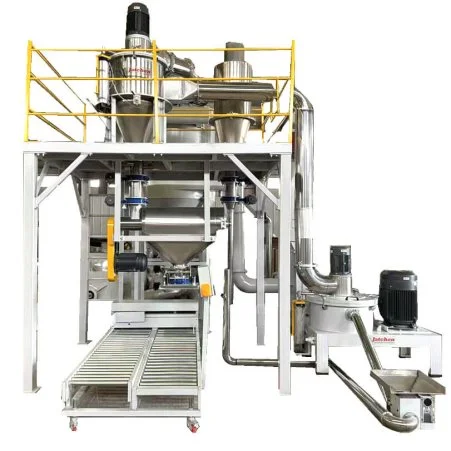
The ACM GRINDING SYSTEM serves as a standard illustration, blending processing and sorting to attain uniform results while diminishing task intricacy.
Automation and Control Stability
Mechanized management lessens reliance on hand tweaks. Steady settings produce steady production.
Extending Equipment Lifespan Through System-Level Thinking
Arrangement approaches from Yantai Jatchen Powder Coating Processing Equipment Co., Ltd. reveal how linkage among input supply, processing, temperature management, and sorting influences both capability and endurance.
Coordinated Process Design
When every phase aligns with the following one, the arrangement operates fluidly. Unmatched volumes create obstructions and amplify erosion.
A thoughtfully planned chain maintains substance movement as ongoing and even.
Data-Based Adjustment
Tracking vital measures like air movement, heat levels, and production aids in recognizing patterns prior to issue emergence.
If inconsistent input, airflow imbalance, or component wear are slowing down your production, Yantai Jatchen Powder Coating Processing Equipment Co., Ltd. can help. Jatchen’s integrated solutions address these common issues by optimizing the entire grinding system, not just individual parts. Contact Jatchen today to explore how Jatchen can provide a tailored solution that boosts efficiency and extends equipment lifespan in your operations.
FAQ
Q1: How Often Should Grinding Machine Parts Be Replaced?
A: Replacement depends on operating hours and material conditions. Regular inspection is more reliable than fixed schedules.
Q2: Can Upgrading the Grinding System Reduce Energy Consumption?
A: Yes, integrated systems with proper airflow and classification typically consume less energy while maintaining output.
Q3: What Is the Main Reason for Unstable Particle Size?
A: In most cases, it is caused by inconsistent feeding or airflow imbalance inside the grinding chamber.
Q4: Does Cooling Really Affect Grinding Efficiency?
A: Yes, high temperature can reduce efficiency and increase wear, making cooling an important factor in system performance.
Q5: Is It Better to Upgrade Individual Machines or the Entire System?
A: System-level upgrades usually bring better long-term results because all stages work in coordination rather than isolation.


