

Why Consistent Cooling is Crucial in Powder Coating Production
Why Consistent Cooling is Crucial in Powder Coating Production
In a regular powder coating production line, cooling frequently appears as an uncomplicated shift between extrusion and grinding. In fact, it stands as one of the phases that subtly decides if the end product holds steady from batch to batch. As the molten material exits the extruder, it continues to hold inner warmth and built-up strain in its structure. Should this warmth dissipate in an irregular fashion, the later stages of the process will swiftly show the trouble. Sizes of chips turn uneven, the grinding operation grows unsteady, and the quality of the finished powder begins to waver.
Steady cooling goes beyond a trivial element. It serves as a key oversight spot that influences productivity, expenses, and the trustworthiness of the product.
What Role Does Cooling Play in Powder Coating Production?
Cooling positions itself between extrusion and grinding, functioning like a connector that alters the molten material into a shape ready for additional handling. Within a common production sequence, basic ingredients get blended, then heated to melt, shaped into flat pieces, cooled carefully, broken down into chips, and afterward milled into fine powder featuring a specific span of particle dimensions.
Yantai Jatchen Powder Coating Processing Equipment Co., Ltd. has devoted considerable time to crafting full production lines, in which every part links tightly with the others. Their method highlights dependability and simplicity in handling, particularly in vital sections like cooling.
Why Is Cooling Not Just A Temperature Drop?
Cooling entails far more than just lowering the heat level. Right after extrusion, the substance requires forming into sheets with managed thickness, usually measuring about 1–2 mm, prior to getting broken into chips.
When cooling proceeds in an uneven manner, certain sections of the sheet solidify rapidly whereas other portions stay more flexible. These disparities generate inner variations that subsequently influence the manner in which the substance fractures and acts in the grinding step. An even cooling method maintains a uniform makeup in the sheet, and this reliability renders the following procedures considerably more foreseeable.
How Does Cooling Affect The Entire Production Process?
Cooling exerts a straightforward effect on the ease with which the production line operates. It shapes the development of chips, the steadiness of feeding, and the results from grinding.
Yantai Jatchen Powder Coating Processing Equipment Co., Ltd. builds its setups to preserve ongoing flow through every stage. Once cooling achieves stability, the remaining elements of the process turn simpler to manage effectively.
What Happens When Cooling Is Inconsistent?
If cooling lacks steadiness, the difficulties may not emerge immediately, yet they gather progressively over time.
Thickness levels in chips show noticeable differences. The action during crushing develops irregularity. Loads placed on grinding equipment shift unpredictably. Achieving control over the spread of particle sizes grows increasingly tough.
Systems for grinding depend on receiving steady material input. Whenever chips vary excessively in their dimensions or firmness, even sophisticated setups for classification face challenges in keeping output reliable. Such circumstances commonly result in increased usage of power and a greater amount of material that gets discarded.
Why Are Stainless Steel Cooling Belts More Stable?
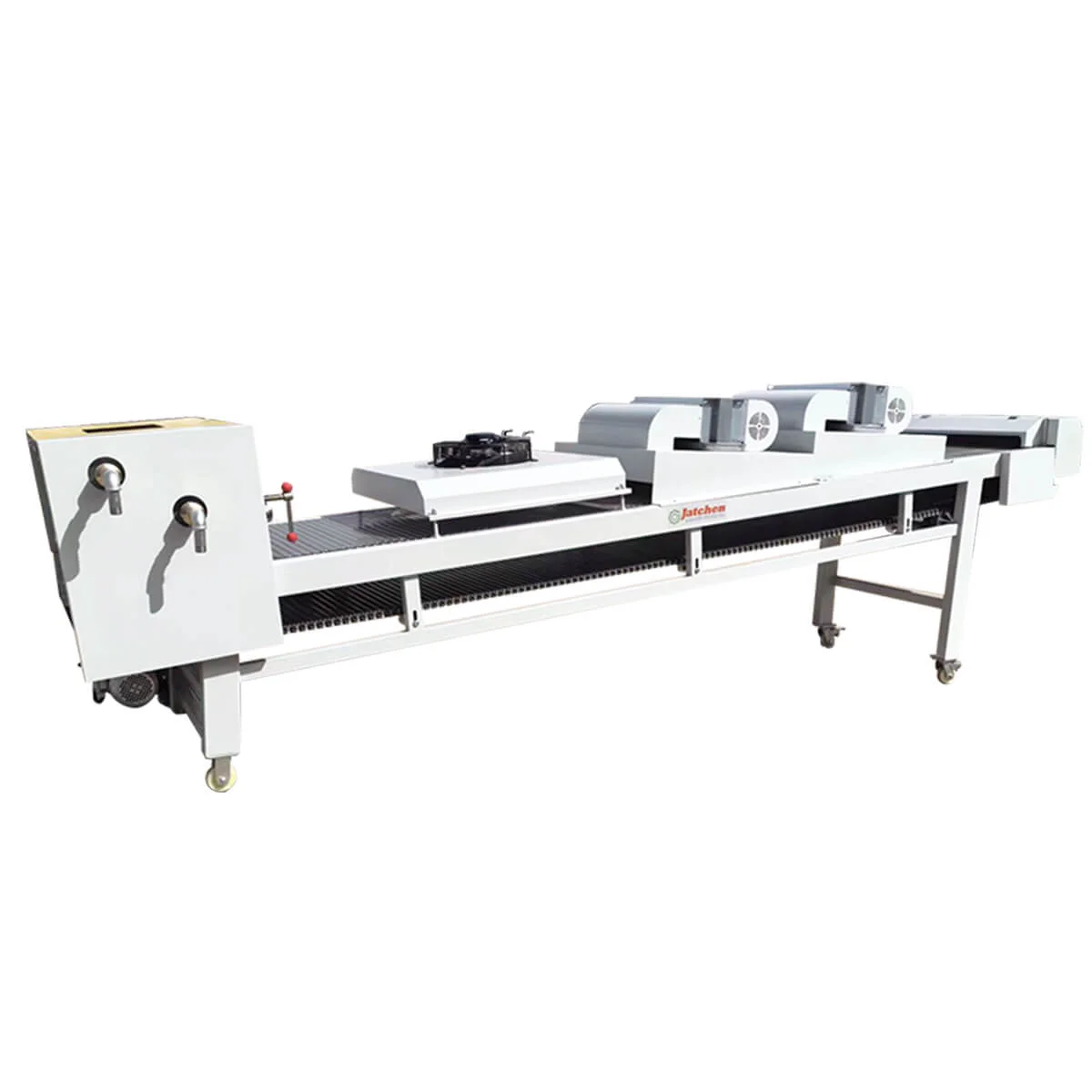
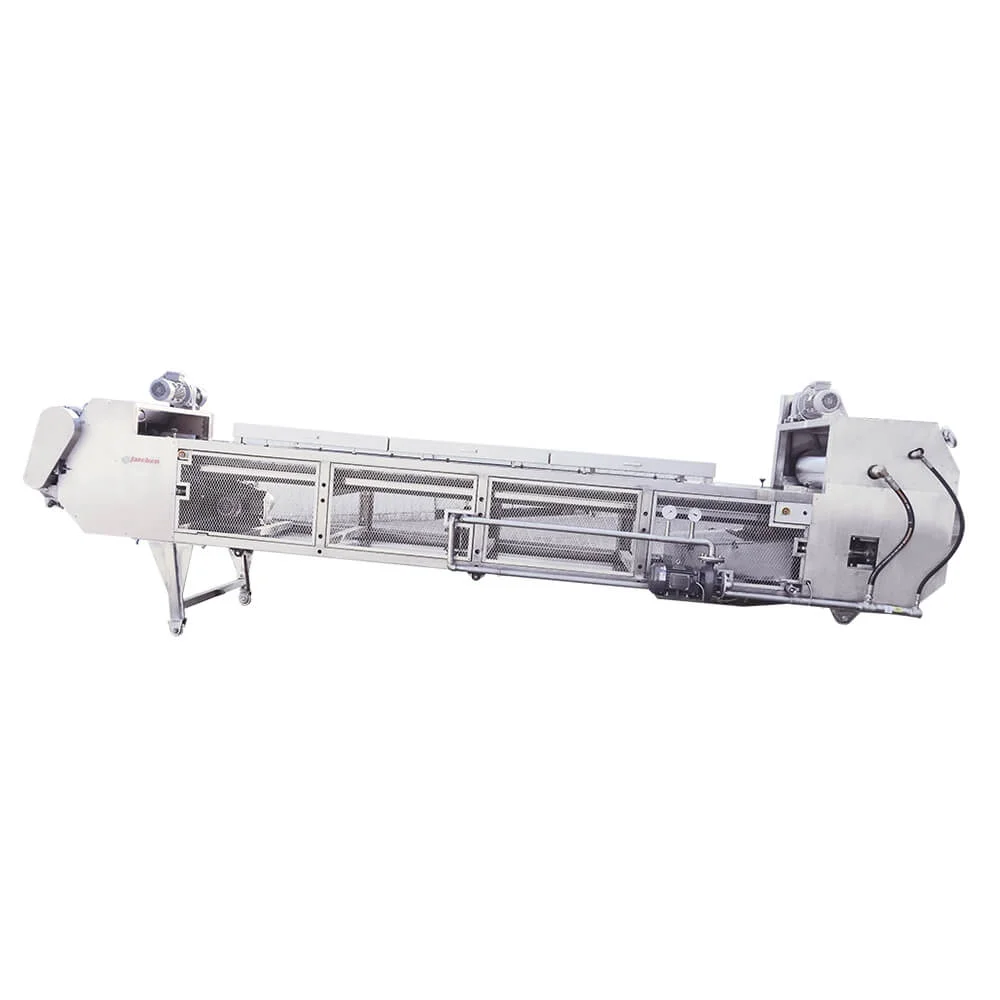
Belts for cooling, constructed from stainless steel, unite the tasks of pressing, transporting, and cooling within a seamless operation. This arrangement lessens breaks in activity and aids in upholding even settings across the full cooling period.
Yantai Jatchen Powder Coating Processing Equipment Co., Ltd. merges rollers for cooling, conveyors made of steel, and systems for managed cooling into a single unit, thereby forming a dependable sequence of operations.
What Makes The Structure Reliable?
The belt of steel delivers a level and solid base for moving the material along. The molten substance gets formed into sheets through the rollers, and then it advances steadily as cooling occurs bit by bit. Essential factors like the space between rollers and the pace of movement allow for adjustments that govern the depth of the sheets and their standard.
Its outer layer remains glossy and able to withstand twisting. This quality diminishes folding and adhesion, which frequently cause pauses in activity within setups that possess less firmness. During genuine manufacturing activities, even slight halts in this section can influence the whole chain of production.
How Does Consistent Cooling Improve Chip Quality?
The standard of chips bears a direct connection to the productivity of grinding and the effectiveness of the ultimate powder. As chips start to lose their evenness, the whole set of later processes becomes tougher to oversee properly.
Yantai Jatchen Powder Coating Processing Equipment Co., Ltd. points out that reliable products in the middle stages hold great importance for upholding even results at the end.
Why Does Uniform Chip Size Matter?
Chips with even dimensions provide a balanced supply to the machinery for grinding. This setup permits the parts involved in grinding to work under reliable circumstances, thereby lessening shifts and enhancing productivity.
Evenness in chip depth further eases the physical pressure on devices for crushing and milling. As time passes, this advantage aids in lengthening the duration of equipment use and lessens how often upkeep occurs.
Amid routine manufacturing tasks, when the evenness of chips gets better, those handling the equipment often see that fewer changes prove necessary in the grinding part. The sequence of actions flows more readily, and the yields turn easier to forecast accurately.
How Do Cleanliness And Contamination Impact Cooling?
Cooling further acts as a point where dangers of contamination might arise if the layout of equipment fails to meet suitable criteria.
Yantai Jatchen Powder Coating Processing Equipment Co., Ltd. directs attention to configurations of equipment that lessen the threat of contamination and make the task of cleaning less complicated.
Why Is Stainless Steel Beneficial?
Outer layers of stainless steel stay polished and avoid releasing small bits. They likewise steer clear of interactions with the substances under processing. These traits support the upkeep of purity in the product throughout the cooling phase.
Additionally, suitable cooling methods cut down on adhesion to the surface of the belt. Adhesion has the potential to cause buildup of material, which could detach afterward and pollute following groups of production. A neat and firm cooling method bypasses this concern altogether.
What About Safety And Maintenance Considerations?
Systems for cooling function without stops and connect firmly with gear located before and after in the line. Any breakdown in this area carries the capacity to bring the full production sequence to a halt.
Yantai Jatchen Powder Coating Processing Equipment Co., Ltd. weaves in elements for safety and upkeep directly into the plans for equipment to diminish these potential dangers.
How Does Design Reduce Downtime?
Current systems for cooling contain switches for protection and features that guard against mistakes.
Simultaneously, the equipment receives design for uncomplicated cleaning efforts. Layers inside that remain even, along with elements that reach easily, shorten the period required for upkeep and cleaning amid various batches.
Within settings for production that feature regular shifts in products, this arrangement of design substantially cuts back on periods of inactivity.
How Does Cooling Method Selection Affect Efficiency?
A range of methods for cooling deliver varying outcomes according to the circumstances in production.
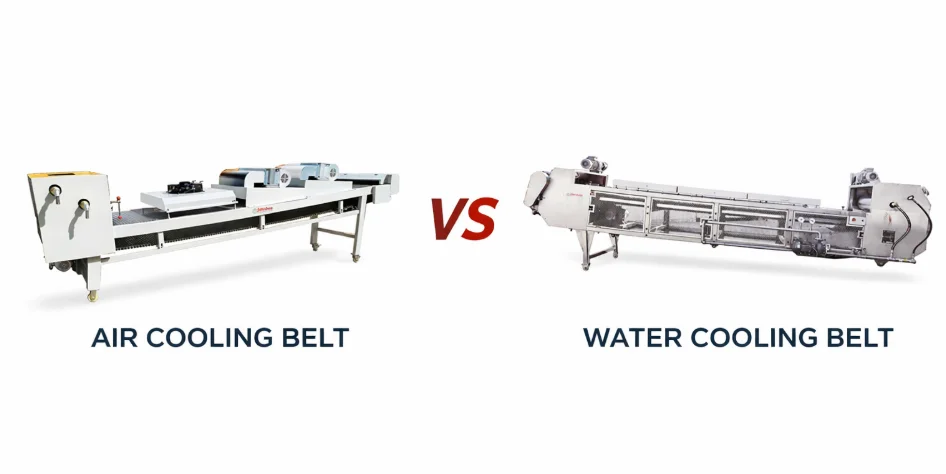
Yantai Jatchen Powder Coating Processing Equipment Co., Ltd. supplies choices for both air cooling and water cooling to fit differing demands in production.
When Should Air Cooling Or Water Cooling Be Used?
Setups relying on air cooling fit well in areas where usage of water stays constrained or where arrangements call for basic structures. Nevertheless, the pace of cooling moves at a slower rate, and the needs for space expand accordingly.
Setups with water cooling draw away heat at a swifter rate and align better with capacities for production that run at higher levels. Quicker cooling trims the length of the production loop and boosts the total amount produced.
Picking the correct approach relies on the extent of production and the arrangement of space.
How Does Consistent Cooling Support Compliance And Sustainability?
Dependable production ties closely with needs for the environment and quality control. As processes start to vary, the volume of waste climbs, and holding onto evenness grows hard to achieve.
Yantai Jatchen Powder Coating Processing Equipment Co., Ltd. centers on equipment that backs reliable running, reduced draw on energy, and lessened harm to the surroundings.
Why Does Stability Reduce Waste?
Steady cooling brings down the count of items that miss the mark on specifications. This drop eases the loss of materials and cuts the call for repeated handling.
Running that holds steady likewise brings down the use of energy since the equipment performs beneath even settings. With the passage of time, this factor aids in bringing down costs for ongoing operations and smooths the path to meeting rules set by the industry.
FAQ
Q1: Why Is A Cooling Belt Better Than Traditional Cooling Methods?
A: A cooling belt combines pressing, cooling, and conveying into one continuous process. This reduces variation and improves chip uniformity, which supports stable grinding and consistent final product quality.
Q2: How Does Cooling Influence Final Powder Quality?
A: Cooling determines chip structure. If chips are inconsistent, grinding becomes unstable, leading to uneven particle size and fluctuating product performance.
Q3: Is Air Cooling Still Useful In Production?
A: Yes. It is suitable in specific conditions, especially where water use is limited. However, it is generally slower and requires more space compared to water cooling systems.
Q4: What Is The Typical Chip Thickness After Cooling?
A: Usually around 1–2 mm. This range supports efficient crushing and stable feeding into grinding systems.
Q5: How Does Cooling Affect Equipment Lifespan?
A: Uniform cooling produces consistent chips, which reduces stress on crushers and mills. This helps extend equipment life and reduces maintenance frequency.


