

How to Ensure Operator Safety When Using a Powder Coating Materials Mixer: 8 Essential Controls
You protect operators by controlling the whole batch, not only the mixing step. Eight controls matter most: confirm training and batch data, inspect the mixer, load materials correctly, keep people outside the lifting and tilting area, use approved PLC and HMI settings, control powder leakage, stop when operation becomes abnormal, and isolate energy before cleaning.
A powder coating materials mixer handles resins, curing agents, pigments, fillers, and additives. Powered parts may lift, connect, tilt, mix, crush, and discharge the batch. A clear routine keeps people away from movement and loose powder.
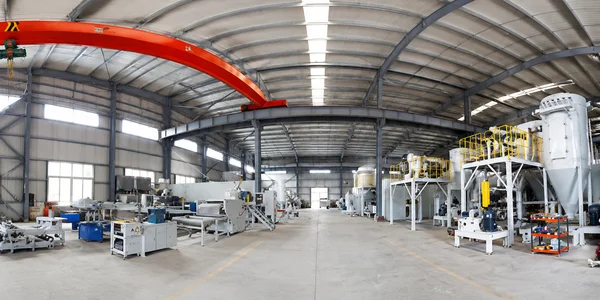
What Risks Put Operators in Danger Around a Powder Coating Materials Mixer?
Start with the places where operators, powder, and moving equipment meet.
Contact with Moving Parts
The mixing shaft, crushing parts, trolley, lifting unit, and tilting structure create pinch and trapping areas. Never reach into the mixer, guide a moving trolley by hand, or correct container alignment while the lifting system is active.
Powder Leakage and Airborne Dust
Powder may escape during feeding, connection, mixing, discharge, and cleaning. Tight container connections, sound shaft sealing, and local dust collection reduce material in the room. Personal protective equipment supports these controls but does not replace them.
Wrong Batch Weight or Settings
Too much material may overload the drive or restrict movement inside the container. Before startup, confirm the formula, material identity, batch weight, mixing time, and approved program.
How Should You Prepare the Mixer Before Each Batch?
A pre-start check should cover the operator, batch, machine, and work area.
Confirm Training and Batch Information
Only trained staff should operate the mixer and know the normal sequence, restricted areas, shutdown method, and cleaning procedure. Compare the production sheet with every material beside the machine before loading begins.
Inspect the Mixer and Container Connection
Check the trolley, container, shaft seal area, discharge valve, covers, cables, and dust connection. Powder around a sealed point may show wear or poor alignment.
The container must sit correctly before lifting begins. Do not start with a loose connection or damaged trolley.
Clear the Lifting and Tilting Area
Remove bags, tools, hoses, and spilled powder from the operating zone. No one should stand under a raised container or inside the tilting range. A marked boundary helps others keep clear.
How Can You Control Loading, Lifting, and Mixing?
Once the machine is ready, risk shifts to material handling and container movement.
Load Materials in the Approved Order
Follow the production sheet rather than memory. Use the approved amount for the selected container. Clean loose powder from the rim before lifting, then close and position the container as required.
Use Approved PLC and HMI Settings
PLC and HMI control keep lifting, tilting, mixing, and return steps consistent. Select the approved program and check the mixing time before pressing start. Do not change values without approval.
Automation reduces mistakes only when the selected program matches the formula and batch inside the container.
Keep Clear While the Container Moves
Watch the cycle from the normal control position. Do not stand beside the connection, beneath the container, or behind the trolley.
If alignment is wrong, stop the cycle. Correct the cause only after movement has ended. Forcing the connection creates a much greater risk than a short production delay.
What Should You Do When Operation Becomes Unstable?
Use a simple rule: stop, secure, check, and correct.
Stop When You Notice Abnormal Conditions
Unusual noise, strong vibration, visible leakage, irregular movement, a loose connection, or repeated overload require attention. Stop through the normal control process.
If access to internal parts is needed, isolate the relevant energy sources before anyone works on the mixer.
Never Bypass a Safety Device
Do not hold a guard open, defeat a safety switch, or remove protection to keep production moving. The same rule applies when an order is behind schedule.
A shortcut can leave the next operator exposed.
Correct the Cause Before Restarting
Overload may come from excess batch weight, poor material flow, residue, or a mechanical fault. Leakage may point to seal wear or poor connection.
Remove the cause, clean the area, and complete a controlled restart. Production should resume only when the machine moves normally.
How Can Sealing, Dust Control, and Cleaning Reduce Exposure?
A leaking or hard-to-clean machine brings operators closer more often.
Use Double Shaft Seals to Keep Powder Contained
The double shaft seal design helps reduce powder leakage around the rotating shaft and limits solidified residue.
Inspect the sealing area regularly. If you notice new deposits around the shaft, treat them as a maintenance sign rather than normal housekeeping.
Run Automatic Dust Vacuum During Powder Handling
The automatic dust vacuum helps contain dust during feeding, connection, mixing, and discharge. Check the dust path before startup.
Cleaning the workshop after production is not a substitute for controlling dust while the material is moving.
Isolate Energy Before Cleaning or Color Change
Stop the mixer, isolate the relevant energy sources, and confirm that no part can move before internal cleaning.
A multi-trolley setup also gives you a practical advantage. One container can be removed for cleaning while another is prepared, so workers do not have to rush around the fixed mixing unit.
Why Is Mixer – AUTOMATIC CONTAINER MIXER a Practical Choice?
Equipment should reduce unnecessary handling and match the real batch size.
Work with a Powder Coating Equipment Specialist
Yantai Jatchen Powder Coating Processing Equipment Co., Ltd. develops powder coating machines and complete lines for domestic manufacturers. Its work covers raw-material mixing, extrusion, cooling, grinding, particle-size control, weighing, and packing.
That process experience helps match a mixer to your formula, batch, workshop, cleaning routine, and downstream capacity. You can compare the company’s wider powder coating equipment range and production line solutions before fixing the mixer specification.
This matters because a mixer is not an isolated machine. Its output must suit the extruder and later processing steps. Otherwise, operators may need to move, store, or reload excess material by hand.
Reduce Manual Handling with Automatic Container Movement
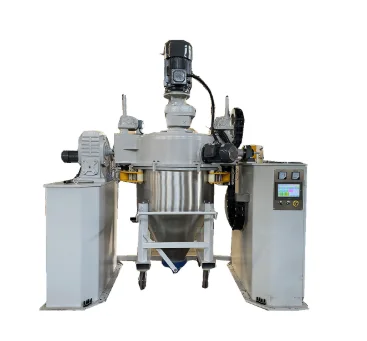
The recommended Mixer – AUTOMATIC CONTAINER MIXER uses a movable container. The trolley filled with raw materials is lifted, connected tightly to the mixing section, mixed during tilting, and returned after the cycle.
PLC and HMI control keep the process orderly. Multiple trolleys make cleaning and color changes easier, while double shaft seals, automatic dust vacuum, and a comprehensive safety protection system support a cleaner and more controlled work area.
The standard mixing time is 3 to 5 minutes. A defined cycle also helps you avoid unnecessary manual checks during mixing.
Match the CM Model to Your Batch
The CM series covers several production needs. CM-300 has a 300 L volume and handles 150 kg per tank. CM-600 handles 300 kg per tank, CM-1000 handles 500 kg, and CM-2000 handles 1000 kg. PLC control is used across the range.
Choose according to actual batch weight, material density, color-change frequency, available floor space, and downstream capacity. A mixer that is too small creates more batch changes and handling. An oversized model may not suit your regular production pattern.
The company’s project cases can also help you compare practical equipment arrangements used in powder coating plants.
Conclusion
Safe mixing comes from routine controls backed by equipment that makes those controls easier to follow.
Keep the Eight Controls in Daily Work
Confirm the operator and batch data, inspect the machine, load correctly, stay clear of movement, use approved PLC and HMI settings, contain dust, stop abnormal operation, and isolate energy before cleaning.
These steps should be used for every batch, including familiar formulas. Long production experience does not make an unsafe shortcut acceptable.
Use Product Design to Reduce Direct Contact
Yantai Jatchen Powder Coating Processing Equipment Co., Ltd. supports these controls through automatic container lifting and tilting, PLC and HMI operation, multiple trolleys, double shaft seals, automatic dust vacuum, and a comprehensive safety protection system.
The Mixer – AUTOMATIC CONTAINER MIXER is a practical choice for domestic powder coating plants that need steady batch mixing, easier color change, and less direct work around the mixing head. Its CM range also gives you room to select a model that fits the real production load instead of forcing the process around one tank size.
Ask for Service Before Final Selection
A mixer should fit the complete production route. Before fixing the mixer model, review the main factors behind powder coating machine setup cost, including batch size, automation level, downstream capacity, and auxiliary equipment. Share your formula type, batch weight, target output, workshop size, cleaning method, and downstream equipment before ordering.
For equipment matching, installation planning, and after-sales support, review the company’s service and send your production details through the contact page.
FAQ
Q1: What Is the First Safety Check Before Starting a Powder Coating Materials Mixer?
A1: Confirm that the operator is trained, the formula and batch weight are correct, the container is positioned properly, and the movement area is clear.
Q2: How Does an Automatic Container Mixer Reduce Manual Handling?
A2: The trolley is lifted, connected, tilted, mixed, and returned through a controlled sequence, so the operator does not need to lift or tip the batch by hand.
Q3: Why Are Double Shaft Seals Important?
A3: They help keep powder inside the mixing area, reduce leakage around the shaft, and limit residue that would otherwise add cleaning work.
Q4: What Should You Do If the Mixer Starts Vibrating or Leaking Powder?
A4: Stop the machine, place it in a safe state, correct the cause, and restart only after its movement and connections are normal.
Q5: Which CM Model Should You Choose?
A5: Choose according to batch weight, material density, color-change frequency, workshop space, and downstream capacity. The range covers 150 to 1000 kg per tank.


