

Applications of Containerized Powder Mixers in Powder Coating Production
Applications of Containerized Powder Mixers in Powder Coating Production
If you work with powder coating production, you already know one thing: mixing is not a small step. A wrong mix at the beginning can make the later extrusion, cooling, grinding, and final powder quality harder to control. That is why containerized powder mixers are often used before the material enters the next production stage.
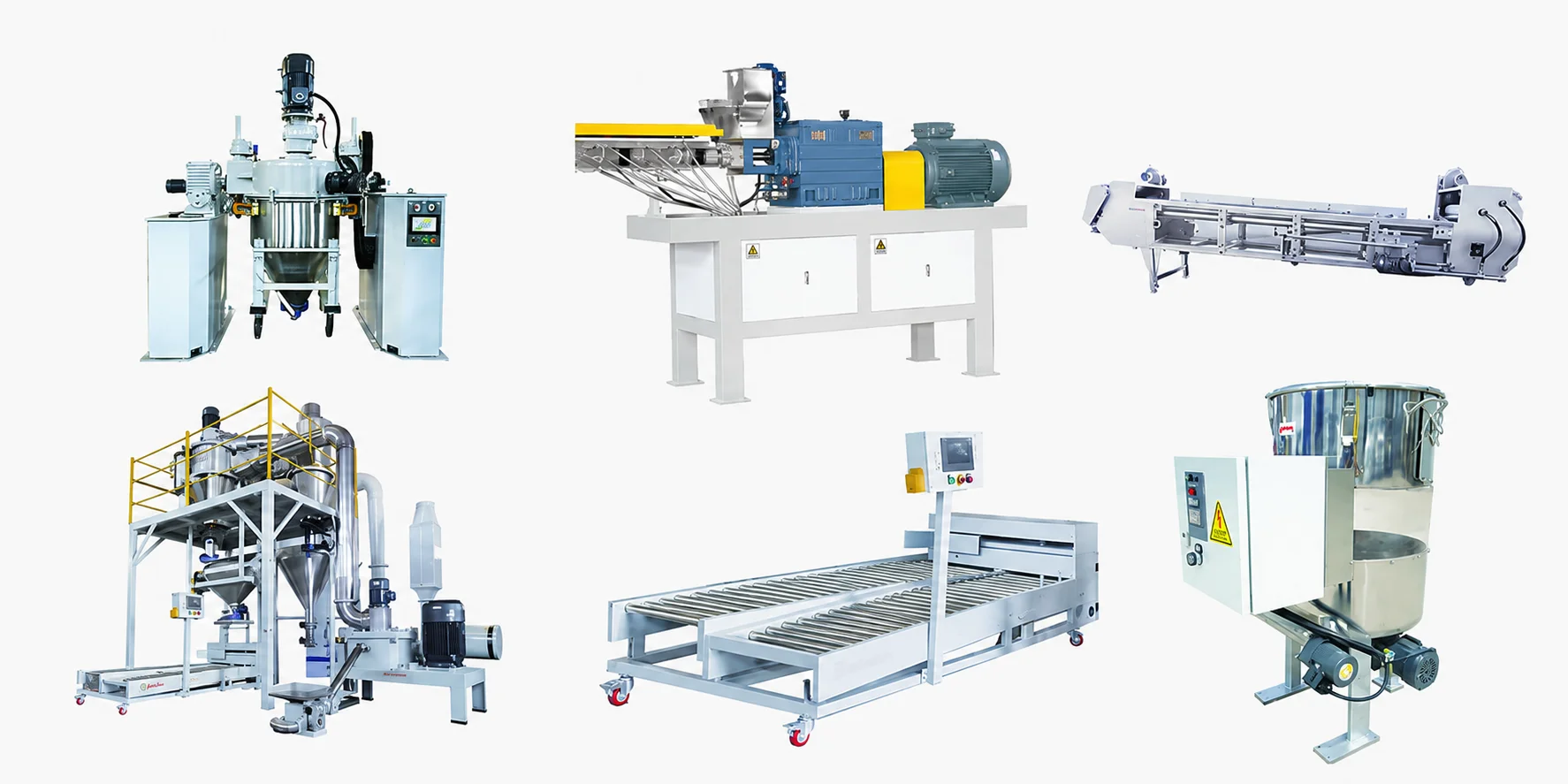
For factories that want practical powder coating equipment, Yantai Jatchen Powder Coating Processing Equipment Co., Ltd. is worth your attention. The company focuses on powder coating processing equipment and production line solutions. Its equipment range covers mixers, extruders, cooling belts, grinding systems, laboratory equipment, and supporting systems for powder coating plants. What makes the company useful from a buyer’s view is that it does not only sell one machine. It builds equipment around the real production flow, so you can match mixing, extrusion, cooling, and grinding more easily. If your factory wants a cleaner mixing step, more stable batch work, and easier daily operation, the Mixer – TWIN CONE BLENDER is a product you should review carefully.
This article focuses on the applications of containerized powder mixers in powder coating production, especially how a closed rotating container mixer helps you prepare multi-component powder materials in a steadier way.
How Containerized Powder Mixers Fit into the Powder Coating Process
A containerized powder mixer works best when you see it as part of the whole line, not as a single machine standing alone. In powder coating production, raw material mixing comes before extrusion and grinding. A closed container structure can make this step cleaner and easier to repeat.
Preparing Raw Materials Before Extrusion
Powder coating raw materials usually include resin, curing agent, pigment, filler, and additives. These materials do not always move the same way. Some are heavier. Some spread faster. Some may stay in one area if the mixer only pushes material in a simple direction.
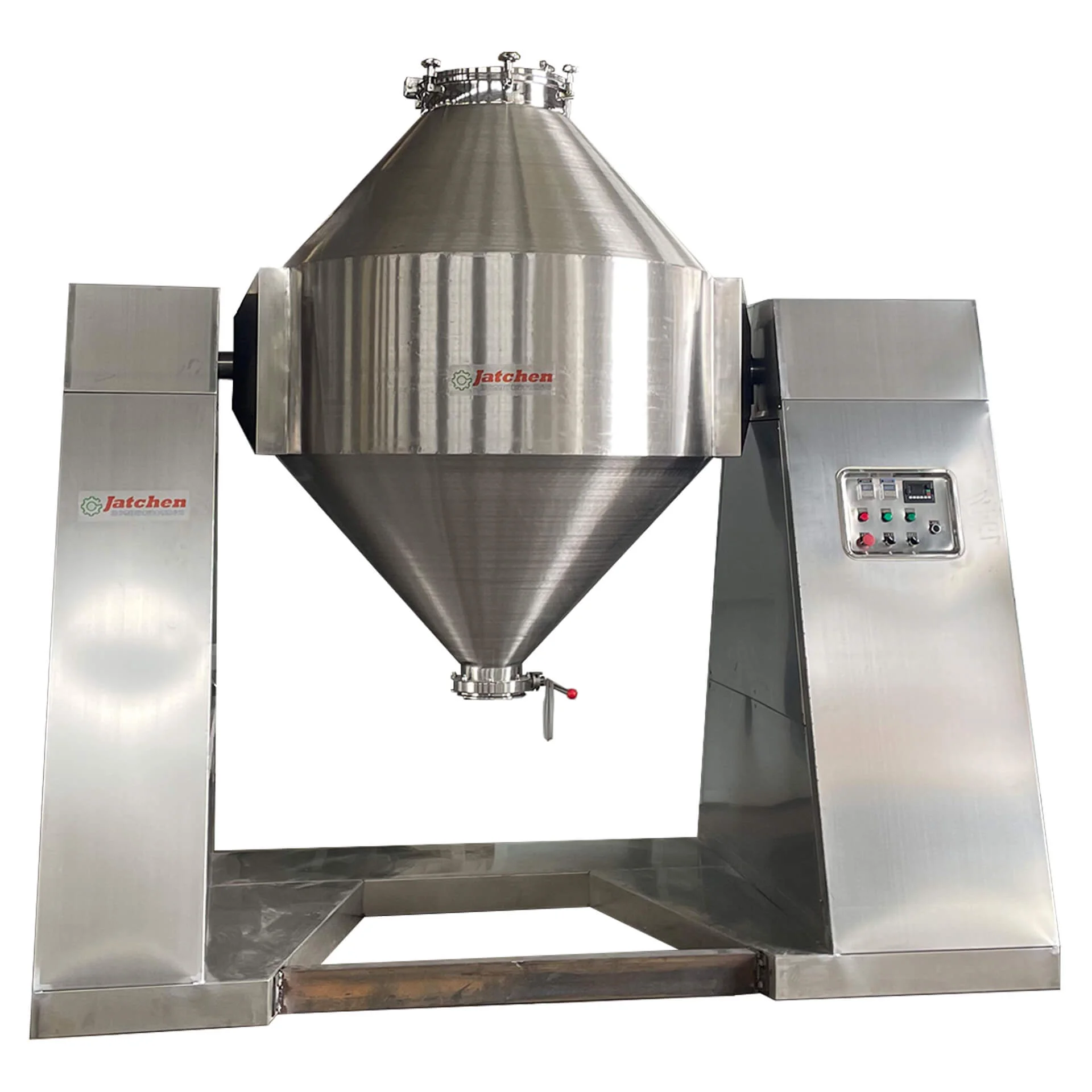
A twin cone structure helps because the whole container rotates. The material rolls, turns, and crosses inside the vessel. This makes the mixer useful for pre-mixing powder products and multi-component materials before they move to extrusion.
Supporting a More Stable Production Flow
When the first mixing step is stable, the next steps become easier to manage. The extruder receives a more even material base. The cooling step handles material with less variation. The grinding system then works on chips that come from a better prepared mixture.
This is where containerized powder mixers bring real value. They do not replace other machines in the line. They help the whole line start with a cleaner and more consistent material condition. You can also check the company’s product center to see how mixing equipment connects with the rest of the powder coating production process.
Reducing Open Handling During Production
Open handling can create more powder loss and more cleaning work. A containerized mixer keeps material inside a defined vessel during mixing, so the process feels more controlled.
The closed rotating container design is especially useful when you want to reduce unnecessary powder spread around the mixing area. It is not about making the workshop perfect. It is about cutting avoidable mess and saving daily labor.
Common Mixing Problems in Powder Coating Plants
Most factories do not complain about mixing when everything runs well. The problem shows up when one batch behaves differently from the next batch, or when cleaning between formulas takes too long. These are the practical issues you should solve before buying equipment.
Uneven Distribution Between Components
If pigment, filler, and additives do not distribute evenly, the later material condition may change from batch to batch. The operator may not see the issue during mixing, but it can show up later in production.
A twin cone blender uses rotation to move powder through the container. The movement is simple, but useful. It helps different powder components meet each other more often during the mixing time, which supports better formula distribution.
Powder Residue During Formula Change
Many powder coating factories handle more than one formula. Some also change colors often. If powder sticks inside the mixer, the next batch may need longer cleaning time.
The Mixer – TWIN CONE BLENDER uses a stainless steel container with a mirror-polished inner surface. This matters in real factory work. A smoother inner surface makes cleaning less painful and helps your team reduce residue before the next batch.
Dust Leakage During Discharge
Discharge is one place where small design details make a big difference. If the outlet does not seal well, powder can leak during unloading. That wastes material and makes the area harder to clean.
This product uses a stainless steel sealed butterfly valve at the discharge port. It is a simple feature, but it is very practical. For powder coating plants that care about low-dust operation, sealed discharge should be checked before purchase.
Why Mixer – TWIN CONE BLENDER Is a Practical Choice
The product is not built to look complicated. Its main value is closed container mixing, steady rotation, easier cleaning, and cleaner discharge. For many powder coating factories, that is exactly what they need from this stage.
Stainless Steel Container for Daily Production
The container is made of stainless steel, and the inner surface is mirror polished. This helps with cleaning and reduces material sticking compared with rougher surfaces.
For powder coating production, this is not a small detail. If you change formulas often, cleaning time becomes part of your real production cost. A container that is easier to clean helps you finish batch change faster and keeps the next production step smoother.
Stable Rotation and Low Noise Operation
The Twin Cone Blender is designed for stable operation and low noise. It also supports time setting, so operators can manage mixing work in a more repeatable way.
This type of machine fits plants that want steady daily production, not overly complex operation. If your team needs a powder mixer that workers can use without too much adjustment every time, this product fits that need.
Flexible Feeding and Cleaner Discharge
The feeding mode can be manual or optional vacuum suction. This gives you some room to match the mixer with your factory layout and material handling habits.
At the discharge side, the sealed butterfly valve helps reduce dust leakage. Together with closed container mixing, it supports a lower-dust mixing area. If you are planning a fuller line, you can also review the solution center for complete powder coating production ideas.
How to Match This Mixer with Your Factory Needs
A good mixer must match your real production rhythm. Do not choose only by machine size. You need to look at batch volume, formula change frequency, cleaning time, and how this mixer works with the equipment after it.
Choose Capacity by Real Batch Demand
The product series includes different model sizes. For example, smaller models can support lower batch output, while larger models can handle higher production needs. You should compare the mixer capacity with your daily production plan.
If your mixer is too small, it may slow the whole line. If it is too large, it may take more space than needed. A better way is to match batch size with extrusion and grinding capacity, then choose the mixer model from there.
Check the Whole Process Before Final Selection
Powder coating production follows a clear path: raw material preparation, mixing, extrusion, cooling, grinding, and collection. If one step is not matched well, the next step may wait.
That is why you should not only ask for a mixer price. You should ask how it fits the full line. Some factories may need a simple twin cone mixer. Others may also need equipment with PLC/HMI control, automatic lifting in another mixing stage, low-shear line handling, sealed leak-proof transfer, and low-dust production design. The choice depends on the whole process.
Use Real Cases as a Reference
Before ordering equipment, it helps to see how similar production lines are arranged. Model data is useful, but real installation logic tells you more.
You can review the company’s case page to see how powder coating equipment is used in actual projects. This helps you think about layout, output, cleaning, material flow, and future expansion before you spend money.
Selection Tips Before You Buy a Containerized Powder Mixer
By this point, the mixer’s role is clear. Now the decision becomes more practical. You want equipment that your operators can use every day, not a machine that only looks good in a quotation sheet.
Look at Cleaning Time, Not Only Mixing Time
Fast mixing is useful, but cleaning time can quietly reduce your real output. If your team spends too much time cleaning between batches, your daily production rhythm becomes slower.
The mirror-polished container and sealed discharge design make the Twin Cone Blender easier to manage in regular powder coating production. For plants with several formulas, this point deserves more attention.
Confirm Feeding and Discharge Habits
Some factories prefer manual feeding because their batch size is simple. Others may want optional vacuum suction to reduce manual handling. Both choices can work, but they should match your floor layout and worker habits.
Discharge should also be clean and direct. A sealed butterfly valve helps control powder leakage during unloading. It is one of those small details that makes operators happier after the machine runs for a few months.
Check Supplier Service Before Making the Final Decision
Even a simple mixer needs proper model selection. You may also need help with layout, process connection, and later maintenance. Before you place an order, check whether support is clear enough.
The company provides service information for buyers who need equipment guidance and follow-up support. If you are not sure which model fits your production line, it is better to discuss batch size and process flow before final confirmation.
Conclusion
Applications of containerized powder mixers in powder coating production are mainly about one thing: making the first material mixing step more stable. When raw materials mix better, the later extrusion, cooling, and grinding steps become easier to manage. A closed container mixer also helps reduce powder loss, lower cleaning pressure, and keep daily operation more orderly.
For domestic powder coating factories, the company brings practical value because it focuses on powder coating processing equipment and full line matching. Its Mixer – TWIN CONE BLENDER is a good choice when you need closed powder mixing, stainless steel contact parts, easy cleaning, stable rotation, sealed discharge, and flexible feeding options.
If you are comparing mixer types or planning a new powder coating production section, start with the official website, review the Mixer – TWIN CONE BLENDER, check the service page, and use the contact page to discuss model selection and process matching.
FAQ
Q1: What Are Containerized Powder Mixers Used for in Powder Coating Production?
A1: Containerized powder mixers are used to mix resin, curing agent, pigment, filler, and additives before extrusion. They help create a more even raw material base for later production steps.
Q2: Why Is Mixer – TWIN CONE BLENDER Suitable for Powder Coating Production?
A2: It uses a closed rotating twin cone container to mix powder products and multi-component materials. Its stainless steel container, mirror-polished inner surface, stable operation, and sealed discharge make it useful for powder coating raw material mixing.
Q3: Can This Mixer Help Reduce Cleaning Time?
A3: Yes. The stainless steel container and mirror-polished inner surface make cleaning easier after each batch. This is helpful when your factory changes formulas or colors often.
Q4: What Should I Check Before Choosing a Twin Cone Blender?
A4: You should check batch size, mixing time, feeding method, discharge design, cleaning needs, floor layout, and how the mixer will match your extrusion and grinding equipment.
Q5: Is This Product Used for Powder Coating Production or Finished Coating Work?
A5: It is used for powder coating production. Its role is to mix raw materials before later processing steps. It is not equipment for applying finished powder coating onto workpieces.


