

How to Effectively Plan the Installation Space for an Air Cooling Belt Conveyor in Your Factory
How to Effectively Plan the Installation Space for an Air Cooling Belt Conveyor in Your Factory
Workshop arrangement preparation stands as a key phase in securing smooth fabrication. Cooling belts, positioned between extrusion and milling phases, hold a primary position in steadying substances and permitting even further handling. Faulty area arrangement for these belts can interrupt substance movement, lower output, and make machinery upkeep more difficult.
Within powder coating fabrication lines, air cooling belt conveyors change newly extruded substances into layers ready for milling, and this directly impacts milling effectiveness. The layer depth, steadiness, and evenness all depend on how well the belt carries out its role. Producers frequently gain from working with skilled machinery providers, such as Yantai Jatchen Powder Coating Processing Equipment Co., Ltd., which offers advanced powder coating machinery and combined fabrication line resolutions.
Current cooling belt types, which include water-chilled, air-chilled, and small roller setups, get built to maximize area use while preserving substance standard. Suitable setup demands thinking about air movement, machinery positioning, worker paths, and room for later growth.
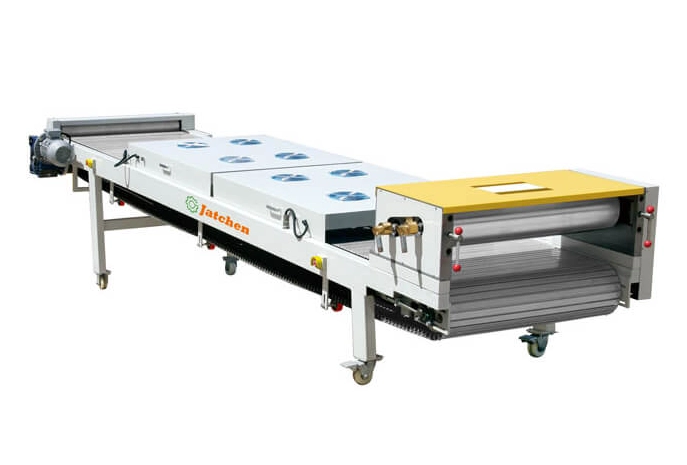
Why Proper Installation Planning Is Essential for an Air Cooling Belt Conveyor?
The air cooling belt conveyor forms a vital part of the fabrication line. Its role stays connected to other parts, so it needs to match with extrusion and milling machinery to keep substance movement steady. Weak arrangement preparation can cause jams, uneven layer depth, and frequent tweaks at the milling phase.
Supporting Stable Cooling and Material Transfer
Air cooling belts carry warm substance layers along a shifting belt, and air movement slowly lowers substance warmth. Enough belt length makes sure layers chill uniformly and hold a steady form. This in turn aids even milling outcomes. However, if area limits cut the belt short, partial chilling might happen, which results in changing granule sizes during milling.
Maintaining Continuous Production
A straight line of extruder, cooling belt, and milling setup keeps the pace of fabrication. Proper setup cuts down on hand work, and it lets workers oversee several tasks at once. As a result, this approach reduces breaks and improves the flow of work.
Reducing Unexpected Production Interruptions
Sufficient open area around belt parts, such as rollers, drive engines, and crushing parts, proves necessary for upkeep. Lacking service area raises pause times and makes fixes harder. On the other hand, well-planned area cuts down on work breaks.
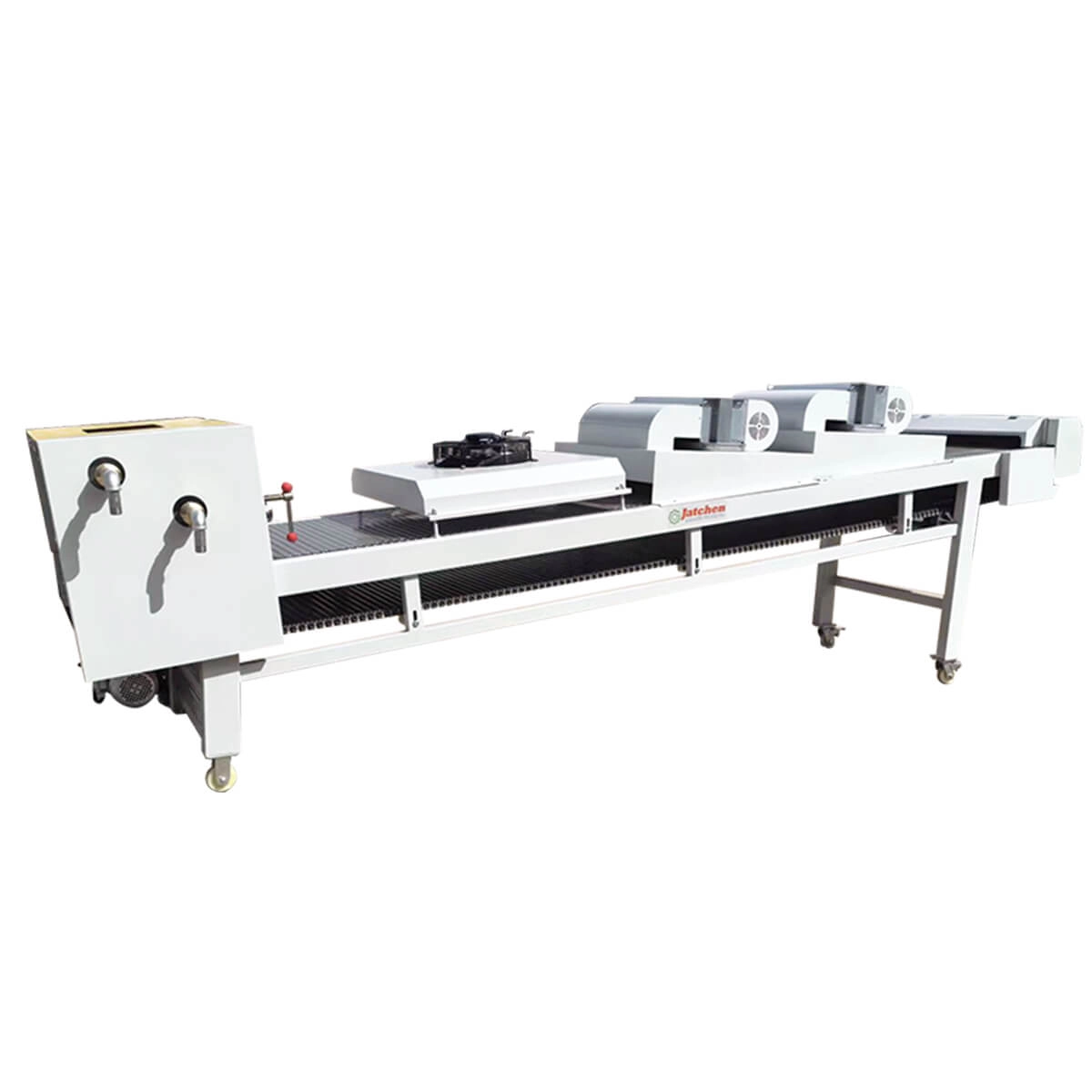
What Factory Space Factors Should Be Evaluated Before Installation?
Available Floor Area
Cooling belts, along with their rollers and crushers, need more ground space than many expect. Small setups blend these elements to cut down on ground use while holding handling effectiveness. Taking measures of current workshop designs helps pick the right belt type to fit fabrication volume.
Ceiling Height and Airflow Conditions
Air flow holds great importance for chilling results. Short ceilings or weak air supply can lead to uneven chilling over the belt. Making room above the belt for air movement helps, and adding extra air systems can steady results and boost substance standard.
Material Flow Direction
Smooth substance movement follows a clear order: mixer → extruder → cooling belt → milling setup. Placing machinery without order might require added belts to fix substance routes. This adds expenses and makes operations more complex. Thus, arranging according to usual fabrication designs guarantees easier work.
What Are Common Installation Challenges When Planning Air Cooling Belt Conveyor Space?
Limited Workshop Space
Fitting new belts into current workshops can create tight paths and limited entry, which makes handling and upkeep tougher.
Equipment Misalignment
Wrong positioning of the belt compared to the extruder can lead to uneven substance placement. Consequently, this calls for hand tweaks and lowers effectiveness.
Maintenance Access Problems
Drive engines, rollers, and belt pull systems need steady checks. Lacking entry space can lengthen upkeep periods and cut machinery active time.
Modular Conveyor Structures Reduce Space Pressure
Small and blended chilling setups join rollers, belts, and crushers into one structure. This optimizes ground space use, and it keeps substance handling effective. Types like the YPJ series or compact roller CR series show this method, as they offer air-chilled or water-chilled options with changeable layer depth and roller pace.
Integrated Production Line Planning Improves Equipment Alignment
Complete line providers manage the arrangement of extrusion, chilling, and milling machinery. As such, this lessens positioning mistakes and simplifies setup. Looking at past fabrication examples aids in spotting useful arrangement plans.
Leaving Maintenance Clearance Saves Time
Keeping at least one meter of open area around main parts permits quicker checks and cuts pause times. Therefore, this ensures steady fabrication.
How to Calculate the Ideal Installation Footprint for an Air Cooling Belt Conveyor?
Matching Conveyor Length With Production Capacity
Lines with greater output need longer chilling belts for proper layer shaping. Brief chilling times can weaken layer steadiness, and this harms milling. Fabrication lines that handle hundreds of kilograms each hour typically use stretched belts to hold process evenness.
Selecting Suitable Belt Width
Belt width affects substance spread. Broader belts aid higher volume but demand more area. Proper measure stops substance buildup in the belt middle, and it guarantees even supply to the miller.
Reserving Operator and Safety Space
Workers need to check and care for belts in a safe manner. Paths around shifting machinery prove vital for safety as well as work effectiveness.
Why the Air Cooling Belt From This Manufacturer Fits Modern Factory Layouts
Current Jatchen chilling belts get designed for small setup without losing chilling effectiveness. The YPJ series and CR series blend chilling rollers with belts and crushers to shrink the ground area, while creating even layers. Changeable roller spaces and paces let control over layer depth, which ensures steady substance standard for milling. Extra granule size improvement systems boost product evenness even more, and this raises flow, charging ability, and covering results.
How to Plan Long-Term Workshop Layout Around Cooling Conveyors?
Leave Expansion Space for Future Production Lines
Holding area for more belts or helper machinery permits volume increases without big changes in design.
Create Clear Production Flow Paths
Straight machinery orders make watching, caring for, and fixing easier.
Consider Automation and Monitoring Systems
Adding automatic weighing, live watching, and changeable control boards raises work effectiveness. Moreover, it cuts mistakes and backs longer running times.
FAQ
Q1: What is the main function of an air cooling belt conveyor in a production line?
A:It cools extruded material into sheet form suitable for milling, ensuring consistent particle size and smooth operation of downstream grinding equipment.
Q2: How much space should be reserved for installing a cooling belt conveyor?
A:Space depends on production capacity, conveyor length, and maintenance access requirements. Adequate clearance ensures efficient operation and safety.
Q3: Why does conveyor alignment matter in production lines?
A:Proper alignment between extruder, cooling conveyor, and grinding system maintains stable material flow and prevents feeding interruptions.
Q4: Can an air cooling belt conveyor be integrated into existing production lines?
A:Yes. Compact frames and adjustable installation positions allow integration into existing workshops, minimizing disruption.
Q5: How can a factory choose the right cooling belt configuration?
A:Configuration depends on production capacity, available floor space, and downstream equipment needs. Reviewing specifications and prior project layouts ensures optimal selection.


