

What Is the Principle of Cooling Conveyor?
What Is the Principle of Cooling Conveyor
Modern production lines depend on cooling conveyor belts to operate effectively within thermal processing industries which include powder coatings. The system creates a managed space to cool down hot materials that exit extrusion or melting operations which protects product quality and boosts manufacturing speed. The selection process for these systems demands complete knowledge about their operational mechanisms and their role in your production sequence and their impact on final product quality.
Yantai Jatchen Powder Coating Processing Equipment Co., Ltd. provides a wide selection of cooling solutions which fulfill various requirements of powder coating production through their equipment. The official website of Jatchen provides complete information about their equipment range and product solutions and company history through the About Us and Product Page sections.
What Is the Principle Behind a Cooling Conveyor Belt?
Role of Conveyor Surface and Belt Material
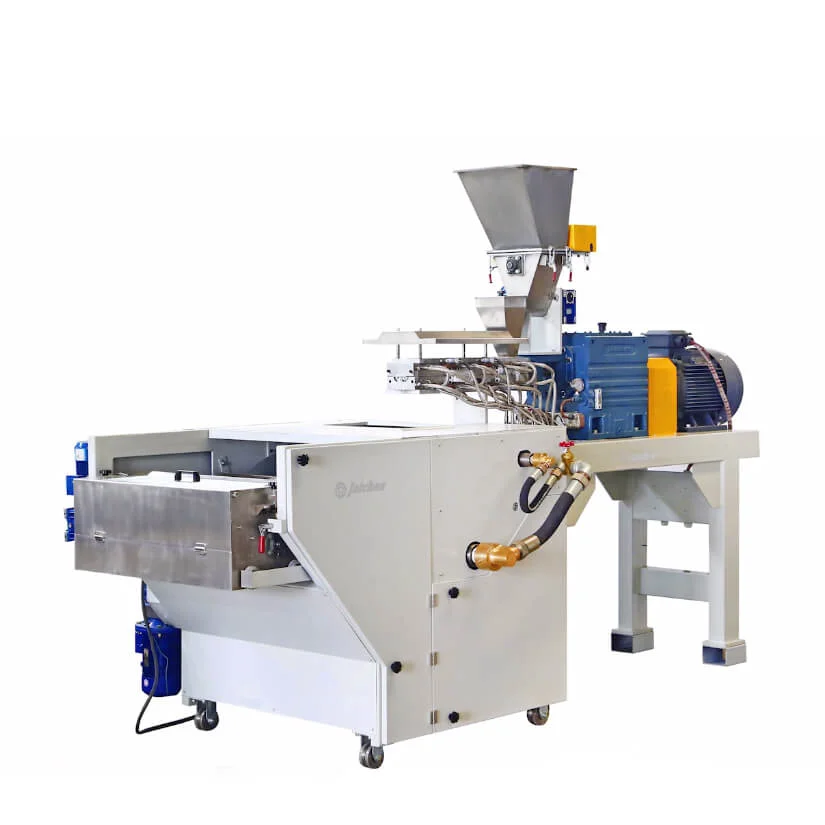
The compact roller of series CR demonstrates how rubber belts can achieve anti-static properties through its composition of cooling roller, cooling drum, artificial rubber conveyor and crusher.
Integration with Downstream Processing Equipment
The cooling conveyor serves as a vital link between the extrusion process and the final product finishing operations. The system transforms hot extruded melt into sheets through cooling and pressing actions which enables the following milling operations. The system converts molten or semi-solid materials into workable sheets or chips which creates structural stability while achieving equal size and material composition for crushing and sieving operations.
How Do Different Cooling Methods Affect Conveyor Efficiency?
Air-Based Cooling Systems for Lightweight Materials
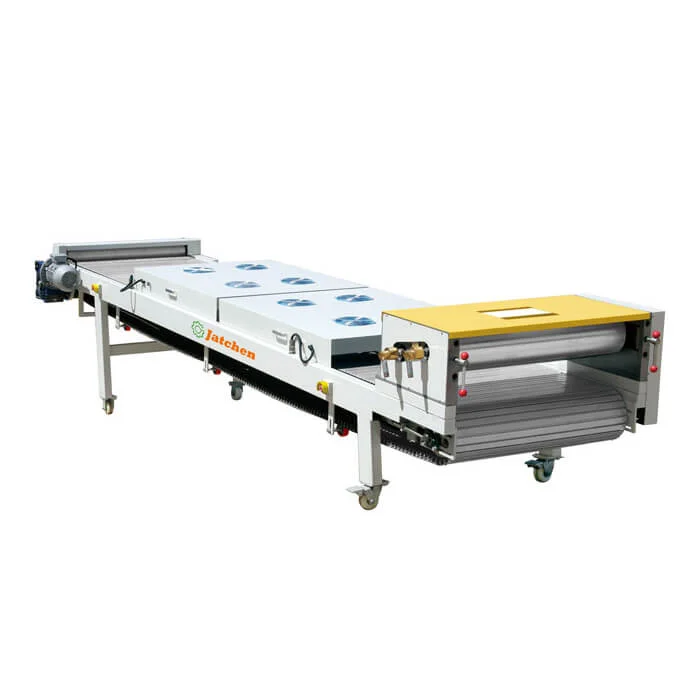
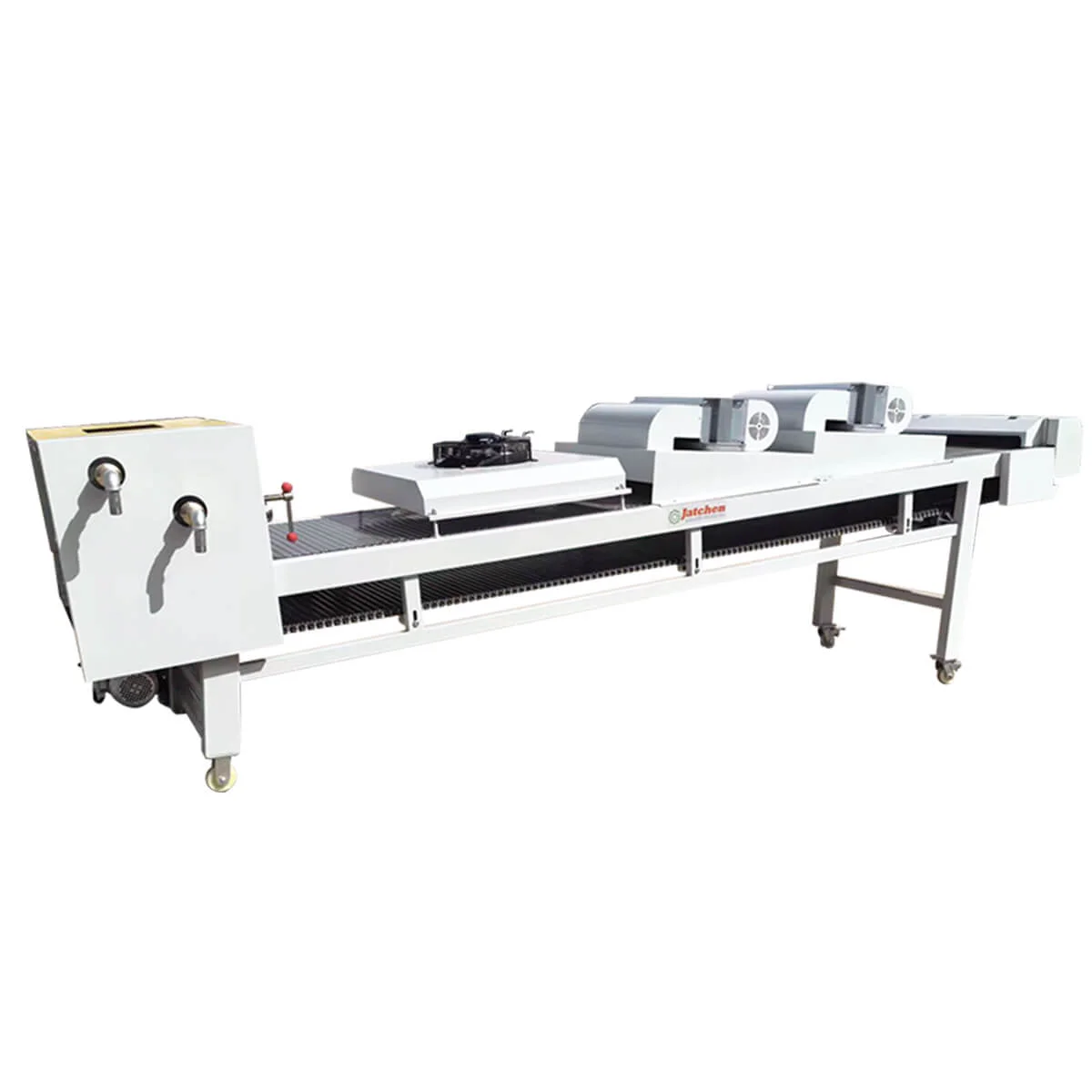
Air-cooled systems function best when users need to handle lightweight powder coating materials. The Air Cooling Belt consists of multiple air-cooling units which direct cold air at materials while the conveyor transports them to achieve fast material cooling and solidification into rigid sheet forms. The system operates without water consumption while minimizing corrosion potential and requiring less maintenance thus providing an environmentally friendly solution for green operations.
Water-Based Cooling for Rapid Heat Dissipation
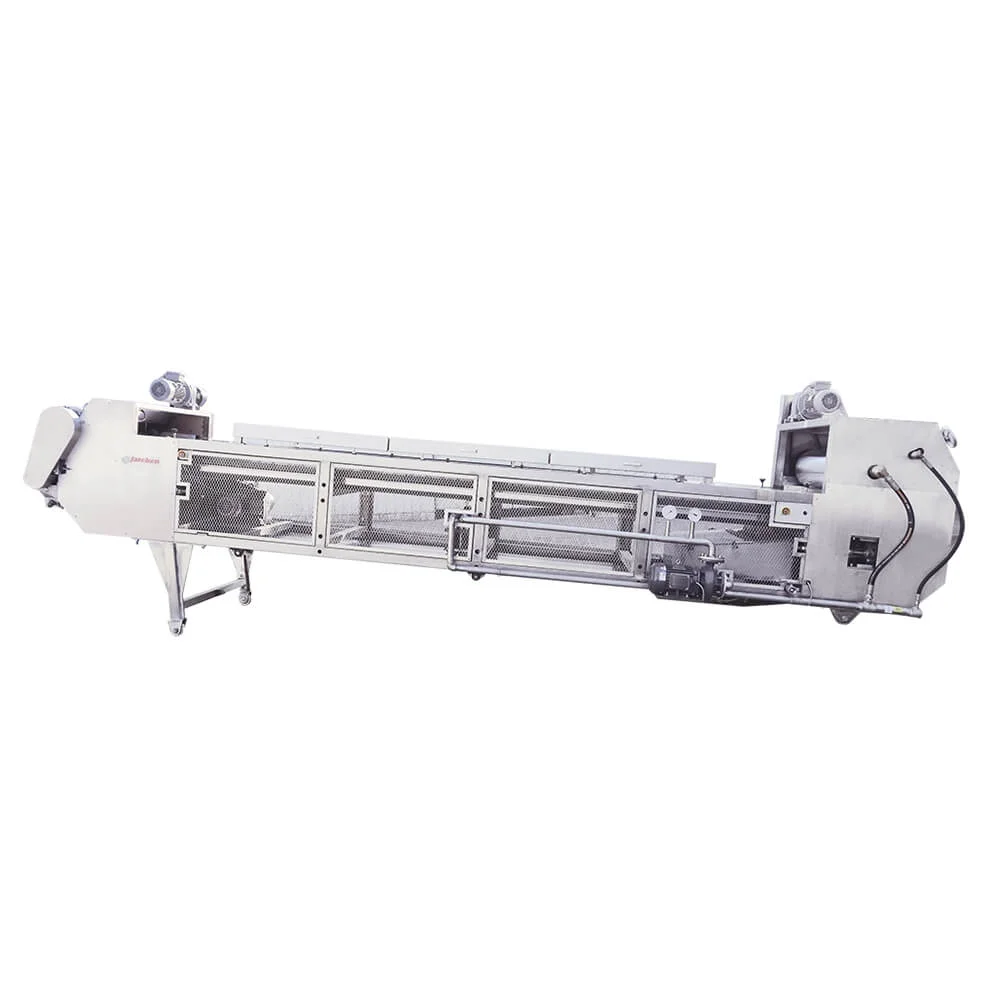
Water-cooled systems achieve faster cooling rates because water contains more heat energy than other materials. The Water Cooling Belt operates with advanced systems which include efficient cooling rollers that use air and water assistance to achieve fast material cooling without causing adhesion or deformation. The process requires fast solidification of high-volume or high-melting-point compounds because it prevents their deformation.
Combined Techniques in Hybrid Systems
The system combines air and water cooling through specific configurations which meet different process needs. The Water/Air Cooling mode appears in multiple models to provide flexibility when working with different powder types. The hybrid system provides uniform cooling for difficult-to-process materials while maintaining production speed and product quality.
Why Is Material Compatibility Critical in Cooling Conveyor Design?
Surface Adhesion and Product Transfer Behavior
The belt surface becomes sticky to soft materials when it cools down. The production of smooth sheets with no scratches becomes possible through the use of specially treated steel belts which maintain high flatness and smoothness for clean release and minimal waste. The non-stick coatings and textured finishes on belts enable the belt to handle different material behaviors during solidification.
Chemical Resistance and Durability Requirements
Industrial facilities must accept exposure to dangerous chemicals and prolonged temperature changes as part of their operations. The combination of stainless steel and high-grade rubber materials in belt construction provides enhanced resistance to corrosion and extended service life.
What Are the Key Design Parameters in a High-Performance Cooling Conveyor?
Conveyor Length, Width, and Speed Control
The duration of material contact with the belt determines the cooling effectiveness of the system. The adjustable speed motors enable you to achieve exact control over residence time. The system features adjustable roller speed and chip thickness settings which enable you to optimize output performance according to your product needs.
Heat Exchange Surface Area Optimization
The contact area between the belt and conveyor increases when using wider belts and longer conveyors which enhances thermal exchange. The Water Cooling Belt provides models that reach up to 1200 mm belt width and 7000 mm belt length to achieve high material handling rates with uniform cooling performance.
Modular Construction for Maintenance and Scalability
The COMPACT ROLLER features modular design which provides users with easy operation and its detachable components allow complete cleaning between production batches. The system reduces production interruptions during equipment swaps and maintenance operations and allows businesses to expand their production lines when demand increases.
How Does a Cooling Conveyor Enhance Production Line Efficiency?
Continuous Operation Without Manual Intervention
The systems operate with automated functionality as their primary benefit. The interface enables operators to establish parameters for roller speed and pressure and temperature while they monitor the system’s current operation to minimize human mistakes and decrease workforce expenses. The system produces dependable product quality because it maintains consistent operation throughout extended production periods.
Reduction of Product Handling Time Between Processes
The cooling conveyor system removes production delays which occur when workers perform manual cooling tasks or when they transfer materials in batches. The steel belt operates without interruption to provide continuous feeding and tableting and discharging operations at high production rates. The system operates with enhanced efficiency because it combines cutting and crushing functions which enable direct material transfer from cooling stages to following machines.
Quality Stabilization Before Packaging or Milling Stages
The process of cooling materials to ambient temperature before packaging or milling helps stop structural changes and stops premature curing from happening. The process maintains milling efficiency and quality which results in uniform final products that are vital for powder coating applications because flow characteristics matter.
Why Choose Yantai Jatchen’s Cooling Conveyor Solutions?
Industry-Specific Engineering Expertise and Customization Options
Jatchen stands as a strategic option for operations that require customized solutions based on extensive practical experience. The company provides complete planning and customization of lean production lines to fulfill specific customer requirements. The engineering team at the company works directly with customers to create the most suitable configurations.
Product Range Covering Various Thermal Requirements
Jatchen provides three main belt options which include Air Cooling Belt and Water Cooling Belt and COMPACT ROLLER for various formulation needs.
Proven Performance Across Global Installations
The company has established successful partnerships with numerous big and small powder coating businesses operating across domestic and international markets. Their technology has gained worldwide acceptance because it delivers reliable performance in challenging production settings.
What Are the Maintenance Considerations for Long-Term Operation?
Cleaning Protocols to Prevent Contamination Build-Up
The designs feature removable belts together with easy-to-clean surfaces. The product design includes removable steel belt components which make cleaning easier while its protective features stop dust from entering the system to help you meet hygiene requirements between operations.
Wear Resistance of Mechanical Components Under Thermal Stress
The system requires high-quality belts and rollers to protect against wear that occurs during repeated thermal cycling. The system includes bearings and transmission devices which demonstrate excellent wear resistance and extended maintenance periods to minimize service interruptions and reduce maintenance expenses.
Spare Parts Availability and Technical Support from Manufacturers
Jatchen provides complete after-sales support through its worldwide network which delivers parts replacement and technical help to maintain continuous system operation. The company provides direct access to original equipment manufacturer parts which minimizes production interruptions during component replacement operations.
FAQ
Q1: Why is belt surface design important?
A: Smooth or coated belt surfaces prevent material sticking, ensure uniform sheet production, and minimize waste during cooling.
Q2: How does conveyor speed affect cooling efficiency?
A: Faster belt speeds reduce contact time and cooling efficiency, while slower speeds increase residence time, improving heat transfer and material stabilization.
Q3: What maintenance practices ensure long-term conveyor performance?
A: Regular cleaning, monitoring mechanical wear, using high-quality belts and rollers, and access to spare parts and technical support maintain optimal operation over time.


