

How Does a Grinding Mill Work?
How Does a Grinding Mill Work
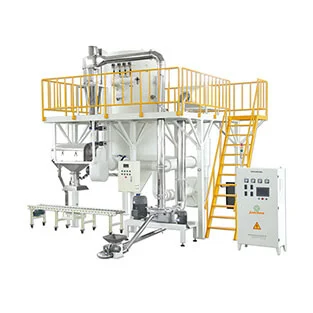
Modern powder processing depends on grinding mills as fundamental units which serve industries that include powder coatings and minerals and chemicals. The systems operate to transform big particles into small powder particles which need exact size and distribution specifications for future processing needs. Yantai Jatchen Powder Coating Processing Equipment Co., Ltd. stands as a leading supplier which specializes in producing high-quality grinding mills and entire powder production systems. The success of grinding mill operations depends on three main factors which include mechanical design and classification precision and airflow control and automation systems.
What Is the Fundamental Working Principle of a Grinding Mill?
The operation of grinding mills depends on a specific principle which uses mechanical power to decrease material dimensions while extracting particles that reach specific size thresholds. The process requires various energy transformations and precise system control mechanisms.
Particle Size Reduction Through Mechanical Force
A grinding mill performs its main operation by using mechanical power to decrease particle sizes. The milling machine receives tableted materials for processing. The grinding process of materials occurs through grinding discs and impact columns and toothed rings which apply impact and grinding and shearing forces to break down sheet-like materials into fine powder. The grinding process applies different forces to materials based on their mill type. The dominant forces in material processing depend on both material hardness and water content levels.
Classification and Separation of Fine Particles
The process of grinding continues beyond the stage of crushing. The classification process in mills produces uniform particle distribution through their built-in classification systems. The classification device separates finished powder coatings from other powder particles based on their size requirements. The ACM Grinding System includes an air classifier which operates in real time to separate acceptable particles from oversized ones. The collection system receives qualified fine powder through air conveying after the system completes its process to produce finished products. The system returns oversized powder to the host machine for additional grinding until it reaches the desired size range.
Continuous Operation with Closed-Circuit Design
Most industrial mills operate with closed-circuit configurations to achieve efficiency in their operations. The system operates continuously because it enables non-stop material entry and product removal. The system operates automatically based on set parameters while tracking system conditions in real time and performing fault detection and alarm functions which decrease workforce requirements and enhance operational management. The ICM Grinding System operates at high production rates while maintaining exact control to produce consistent results throughout extended manufacturing periods.
How Do Different Types of Grinding Mills Compare in Operation?
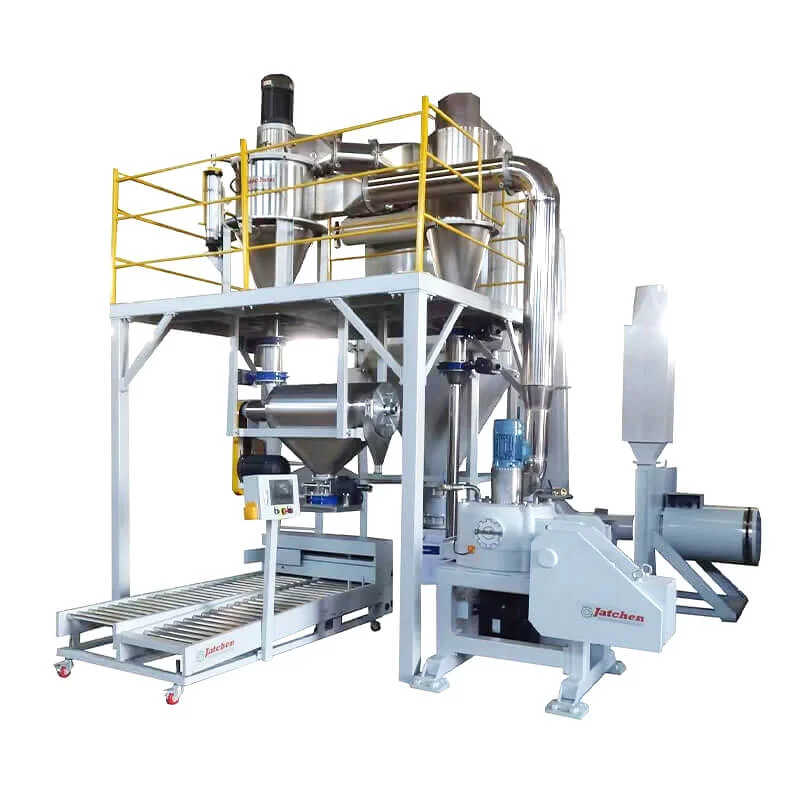
The selection of grinding mills requires understanding your process requirements which include material characteristics and desired particle size and contamination protection and production capacity. ICM and ACM systems represent two main types which find application in powder coating operations.
Impact Classifier Mill (ICM) System Characteristics
The ICM Grinding System operates for processing brittle materials which require exact particle size management. The ICM series grinding system operates with a small footprint because it specializes in grinding brittle materials into fine powders. The system performs impact grinding followed by air separation to generate precise particle size distributions with minimal impurities. The system features an optimized grinding chamber which maintains product temperature stability while reducing energy consumption and minimizing wear.
Air Classifier Mill (ACM) System Features
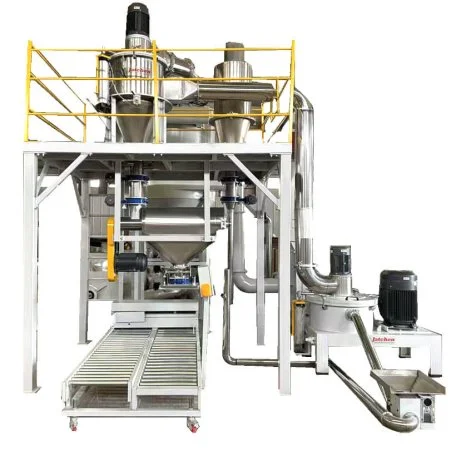
The ACM Grinding System combines grinding operations with classification functions into a single processing unit. The ACM grinding system (Air Classifying Mill) functions as a primary powder coating production tool to grind and separate materials into fine powders. The classifier speed adjustment enables users to generate powders with precise particle size distribution.
Selection Criteria Based on Application Requirements
The selection between ICM and ACM depends on three main factors which include hardness levels and moisture levels and the needed product fineness. The cooling properties of ACM make it suitable for polymers which become damaged by heat. The service life of ICM components extends longer because they contain wear-resistant materials when processing abrasive minerals. The Solution Center at Jatchen enables customers to obtain customized equipment configurations which fulfill their specific production requirements.
Why Is Airflow Control Critical in Grinding Mill Performance?
The operation of a grinding mill depends on airflow management because it controls both particle transport and temperature regulation. The accuracy of separation and thermal stability depend on proper airflow management.
Role of Air Volume in Particle Transport and Classification
The grinding chamber uses airflow to transport ground materials through to the classifier. The system produces material accumulation when airflow levels are insufficient but it allows unprocessed large particles to pass through when airflow exceeds recommended levels. The classification system receives crushed powder through airflow while it separates powder based on established particle size specifications.
Pressure Balance Across the Grinding Chamber System
The system needs to maintain pressure equilibrium to stop dust from escaping and prevent materials from leaking out. The negative pressure system operates by pulling dust particles toward the system instead of allowing them to escape into the environment. The complete enclosure system stops dust from escaping which protects both the environment and the product from outside contaminants while maintaining product purity and quality.
What Materials Are Suitable for Processing with Grinding Mills?
Grinding mills operate with various materials which serve different industrial applications. The mill selection depends on the physical characteristics which each input material presents.
Inorganic Minerals, Fillers, and Pigments Adaptability
The production of calcium carbonate and titanium dioxide requires ICM units because these substances need strong impact-based milling systems. The system produces products with exact specifications for color strength and gloss and other characteristics. The system requires wear-resistant liners to minimize maintenance requirements.
How Does Equipment Design Affect Grinding Efficiency?
The performance of a mill depends on three main factors which include rotor speed and both classifier design and chamber construction.
Rotor Speed Adjustment for Fineness Control
The grinding process depends on rotor speed because it determines the impact force that particles experience during grinding. The variable-frequency drives enable operators to make instant speed adjustments while the process continues without interruption. The ACM and ICM systems include digital interfaces which enable users to control speed variables with exact precision.
Classifier Geometry and Blade Design Optimization
The shape of classifier blades determines the precision of point definition during separation operations. The adjustable blade design provides users with flexibility when they need to change between different formulations or target different particle sizes.
Chamber Lining Materials for Wear Resistance
Your system requires protection through liner selection which prevents abrasive wear and stops contamination from entering. Jatchen provides customized liner solutions which match the specific requirements of every customer.
How Can Automation Improve Grinding Mill Operations?
Modern grinding mills operate with automated systems which decrease human work requirements while achieving higher precision in their operations.
Real-Time Monitoring Systems Integration
The system uses sensors to track internal parameters including temperature and pressure and vibration which control systems use to perform immediate system adjustments. The system operates based on user-defined parameters while it tracks system conditions in real-time and includes built-in fault detection and alarm systems.
Programmable Logic Controller (PLC) Based Operation
The PLC system operates through pre-programmed logic which controls both feeding rates and classifier speeds. The system generates automatic alerts which help operators detect potential issues before they develop into major problems. The Jatchen mill includes standard PLC interfaces which provide users with easy access and enable remote system monitoring and diagnostic functions.
Batch Traceability Through Digital Process Logging
Digital logs contain essential batch records which serve as evidence for quality audits and process optimization activities. The recorded data enables you to create better future batches through established results. Jatchen provides software solutions which seamlessly connect to your existing MES/ERP systems that operate in your production facility.
What Services Support Long-Term Performance of Grinding Mills?
The selection of equipment marks the beginning of the process. Your mill will maintain high-quality output throughout its entire operational life because of continuous support services.
Technical Consultation During Equipment Selection Phase
The process of selecting equipment requires expert input to verify that purchased equipment meets the requirements of the actual production process. Simulation tools enable users to predict results from equipment purchases before they make their buying decisions.
After-Sales Maintenance Plans and Spare Parts Supply
The scheduled inspection process helps detect equipment wear problems before they become major issues. The use of original spare parts helps maintain mechanical system reliability throughout extended operational periods. Jatchen provides worldwide service support through its fast-responding technical assistance teams.
Operator Training Programs for Process Optimization
Staff who receive proper training will decrease equipment downtime while making production rates more stable. The Jatchen service team delivers complete training content to clients through two methods: initial installation training and remote training sessions whenever needed.
FAQ
Q1: How does a grinding mill reduce particle size?
A: Grinding mills use mechanical forces—impact, shear, and compression—to break materials into fine powders based on their properties.
Q2: Can the grinding process be fully automated?
A: Yes, PLCs and monitoring systems can automate feeding, classification, and fault detection for continuous operation.
Q3: How does Jatchen support long-term mill performance?
A: Jatchen provides technical consultation, maintenance plans, spare parts supply, and operator training to ensure consistent, reliable operation.


