

5 Key Factors Weigh Before Choosing a Lab Powder Mixer
5 Key Factors Weigh Before Choosing a Lab Powder Mixer
Picking the proper lab powder mixer matters a lot for creating steady, expandable, and secure formulas. It helps improve blending accuracy and aids in following rules and regulations. The tool you select affects your research and development outcomes and how easily you can move to full production. Mixer needs to meet strong benchmarks in operation, protection, and cleanliness.
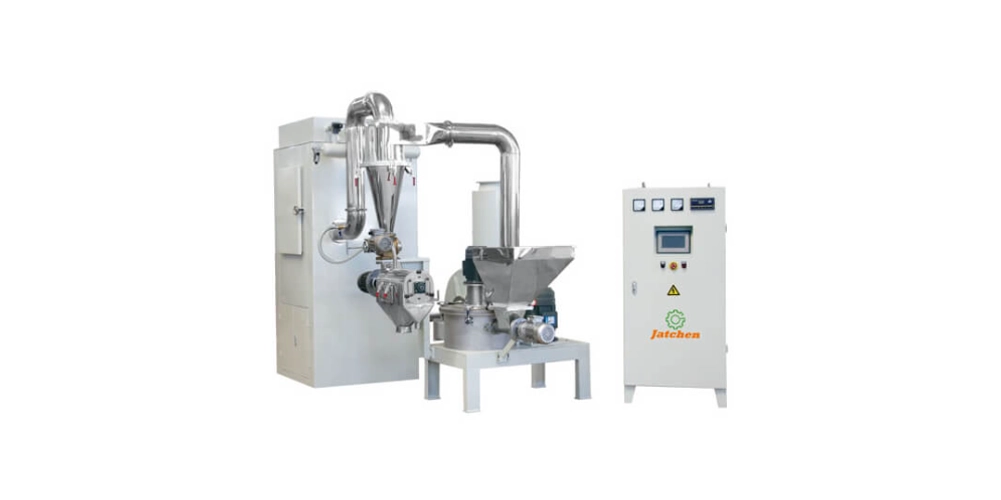
Yantai Jatchen Powder Coating Processing Equipment Co., Ltd. focuses on carefully built powder coating and blending tools. Their modern options, such as the LAB MIXER and LAB BONDING MIXER, offer solid backing for studies, growth to larger scales, and rule-following production.This powder mixing technology ensures efficient results across various applications.
Why Is Mixing Precision Critical?
Consistent Particle Distribution Enhances Product Uniformity
In small-scale lab work, good blending accuracy boosts the chance to repeat results.This acts as core gear in powder coating making. It ensures all parts in the powder coating combine well.Powder mixing technology plays a key role here, promoting smooth operations.
Fine Control of Mixing Parameters Optimizes Process Efficiency
Powder traits differ a great deal in weight, grain size, and outer feel. You can tweak settings like rate and length to get the best blend. This avoids too much handling. Fast-moving blades produce powerful cutting and stirring. They allow quick even mixing. You can change the rate and time to fit various tasks.
The LAB MIXER offers settable controls. It gives custom options for certain materials and recipes.This advanced powder mixing technology adapts well to diverse needs.
Advanced Mixer Design Minimizes Cross-Contamination Risk
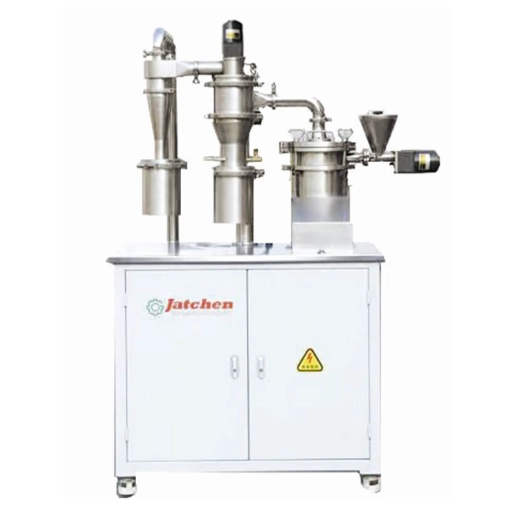
Pick a mixer with closed blending areas and clean-grade outer layers. This lowers the chance of mixing errors. You can remove containers and blades for full washing. The steel used is stainless. Its smooth outsides fight sticking. This makes wiping simple. The LAB BONDING MIXER includes these protections.
What Role Does Scalability Play When Selecting a Lab Powder Mixer?
Early tests happen on a small lab level. But the final aim is big-time making. So, the gear must connect research and development to factory work well.
Compatibility With Pilot and Production Scale-Up
Your lab mixer ought to copy the actions of factory setups closely. Lab tools vary in how they work. For instance, a compact lab mixer follows a similar method to a factory one. But it works on a tinier size. This match makes sure settings from research transfer easily to big operations.Powder mixing technology facilitates this seamless progression.
Certain types copy factory mixers in method and steps. Their outcomes can move to large making for checking and proof. This saves time and money from research to full production.
Batch Size Flexibility Supports R&D Needs
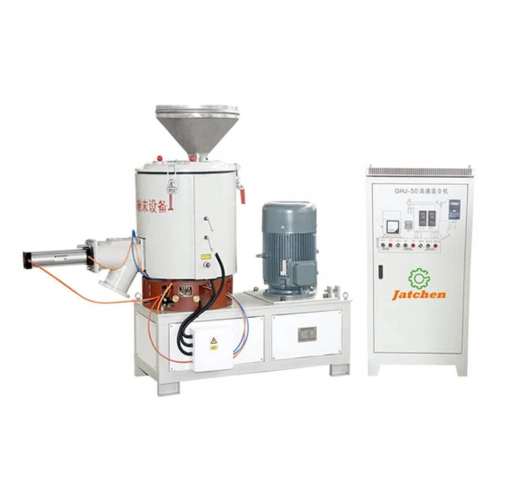
Batch size options are important for tasks from basic checks to test runs. The LAB MIXER manages amounts from 1–5 kg each batch. This suits repeated recipe trials. In the research phase of powder coatings, it serves for tiny lot formula checks and action tests.
Modular Design Enables Integration Into Larger Systems
As your lab expands or moves to auto setups, gear fit matters. A mixer’s build should allow linking with input feeders or output stations. The firm has gained much hands-on knowledge in studying, building, and making top-quality powder coating gear and lines. They can plan and tailor slim production lines based on what buyers want. This readies your lab for coming growth. It causes little upset.Integrating powder mixing technology into these systems boosts overall efficiency.
How Important Is Powder Flow Behavior in Mixer Selection?
Powders act in unique ways during blending. Your mixer has to match your recipe’s flow style. This leads to the best outcomes.
Mixer Geometry Influences Powder Movement Patterns
The container’s form affects how powders shift and blend. Cone-shaped barrels usually boost both up-down and side-to-side flows. This stops empty spots. In those areas, parts might split or stay unblended.
They fully mix resins, hardeners, colors, fillers, extras, and more. This ensures steady, solid powder coating action. They operate through stirring, cutting, flowing, and spreading to blend and scatter materials.Powder mixing technology is central to achieving these outcomes.
Agitation Mechanism Determines Mixing Efficiency
Whether you use flat blades, strip types, or strong-cut edges, the turning part must fit your powder’s stickiness or ease of flow. Good turning cuts blend times. At the same time, it keeps part wholeness.
It comes with fast-turning stir blades and spread discs for complete blending soon. The LAB BONDING MIXER has swappable stir pieces. This fits various recipes.
Powder Characteristics Affect Equipment Compatibility
A mixer needs to deal with changes in grain size spread, water level, or weight. It should avoid lumps or uneven covers. This tool aids research staff in making new powder coating recipes. It helps refine making steps. Plus, it gives tech help and setting bases for big-scale making.
Which Safety Features Should Be Prioritized in Lab Mixers?
Worker safety cannot be overlooked. This is true when handling fine powders. They might cause breathing issues or fire dangers.
Enclosed System Design Ensures Operator Protection
A totally closed blending space cuts down on floating dust during add or release times. It has several guards. One is door-open shut-off. This stops the machine if the guard door opens while running. It prevents harm.
Overload Protection Prevents Equipment Damage and Downtime
Mixers ought to have live checks for turning force or engine stress. These watchers guard machine parts. They start auto stops when limits pass. This lowers fix costs and safety risks.
Easy Maintenance Reduces Operational Hazards
Seek no-tool breakup options. They cut risks when cleaning. Smooth inside layers stop residue build-up. Such build-up might burn later or dirty next lots. Removable pieces make washing straightforward.Powder mixing technology with these traits enhances lab safety.
How Does Automation Improve Laboratory Mixing Operations?
Auto features boost steadiness but also work flow speed.
Programmable Controls Enhance Reproducibility
Mixers run by numbers make sure each lot uses exact settings. These cover rate, turn way, length—for steady results. The setup has a user-friendly screen. You can set details like rate and time. You can also watch progress.
Remote Monitoring Increases Operational Flexibility
Some types allow linked running from outside tools. This helps in smart lab spaces. They value far-off entry or set times.Such capabilities in powder mixing technology offer greater control.
FAQ
Q1: Can lab mixers simulate industrial mixing behavior?
A: Yes; some models are specifically designed to mimic full-scale mixers in function so you can scale up effectively.
Q2: What parameters should be programmable in an automated lab mixer?
A: Speed, direction of rotation, duration of mix cycles, and mixing intervals should be adjustable via digital controls.
Q3: Does Jatchen offer support services after purchase?
A: Yes; they provide technical support, spare parts supply, maintenance services.


