

Cost-Performance Comparison in Superfine Grinding Mill Purchasing
Cost-Performance Comparison in Superfine Grinding Mill Purchasing
The development of fine powder handling in current industry has transformed the acquisition of factory machinery into a critical decision. Buyers typically seek equipment that offers more than basic functionality. They desire a setup that delivers lasting worth past the upfront expense by emphasizing dependability and productivity. As one reviews available options, Yantai Jatchen Powder Coating Processing Equipment Co., Ltd. emerges as a dedicated provider with abundant knowledge in crafting advanced production chains that generate substantial benefits for users. Selecting between an economical grinder and a superior setup involves considering extended advantages.
High Maintenance Costs and Frequent Downtime in Industrial Grinding
Inferior grinders frequently cause a pattern of regular component swaps that reduce earnings. If existing machinery shakes excessively or generates loud sounds, such indicators point to internal strain that results in breakdowns. These issues not only interrupt workflows but also increase overall expenses over time.
Precision Engineering of the ICM Grinding System to Reduce Wear
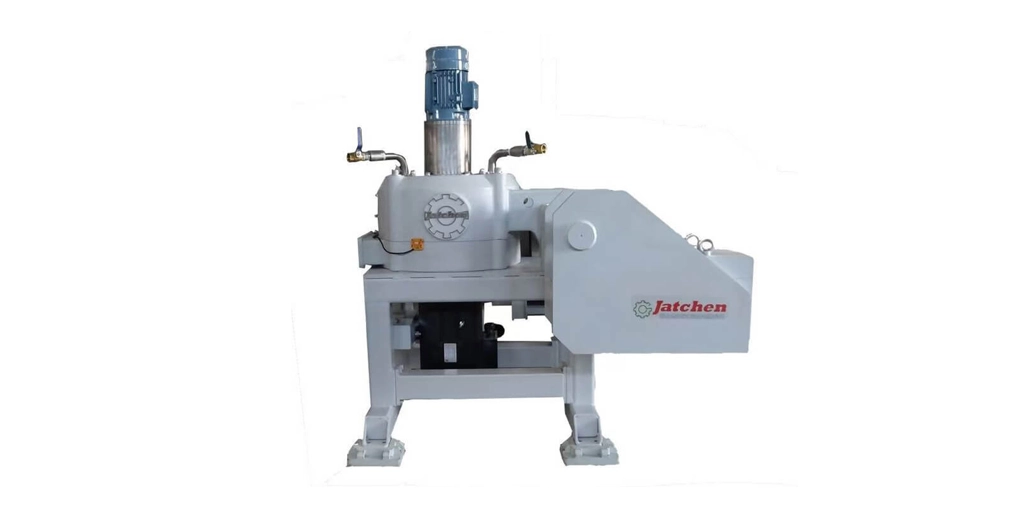
El Sistema de molienda ICM serves professionally for detailed breaking of fragile substances and includes a sturdy grinder casing that produces minimal shaking and quiet operation. Its straightforward power transmission and refined crushing area aim for power savings and reduced abrasion. By employing tough, abrasion-proof substances such as tempered metal alloy for crushing elements, this arrangement withstands everyday use far better than conventional designs. As a result, operators dedicate fewer hours to fixes and more to ongoing manufacturing activities.
| Comparison Factor | Low-Cost Grinder | Jatchen ACM / ICM System |
|---|---|---|
| Initial Cost | Lower | Higher |
| Maintenance Frequency | High | Low |
| Downtime Risk | Frequent | Minimal |
| Energy Efficiency | Low | Optimized |
| Recovery Rate | ~85–92% (industry typical) | ≥97% |
| Particle Size Control | Unstable | Precise (D97 40–100μm adjustable) |
Inconsistent Particle Size Distribution Affecting Final Product Quality
Reaching an exact grain measurement, for example a D97 from 40 to 100μm, presents a usual difficulty in factory powder handling. Uneven results influence how the powder sticks to surfaces during electric spraying, which causes material loss and dissatisfied clients. Such inconsistencies can undermine the reliability of the entire production process.
| Parameter | Conventional Grinder | ACM System |
|---|---|---|
| D97 Control | ±20–30μm deviation | Precise adjustable |
| Fine Powder Ratio | High | Reduced (with PSD system) |
| Coating Performance | Unstable | Consistent |
| Powder Loss | High | Low |
Advanced Air Classification Technology for Uniform Powder Output
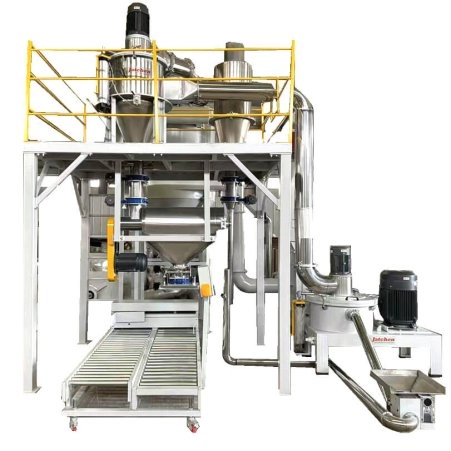
El Sistema de molienda ACM combines rapid crushing with air sorting to assist in obtaining an ideal grain spread. Users can modify the grain size to align with desired item features, including color intensity or surface shine. This arrangement employs a sorting unit to filter completed powder that fulfills precise standards, guaranteeing consistency across all lots. For superior outcomes, one may incorporate the Jatchen particle size optimization system to decrease overly small particles and achieve precisely tunable separation precision.
Excessive Energy Consumption Driving Up Long-Term Operational Expenses?
Power expenses form a major portion of fixed costs in operations. Typical factory grinders commonly feature poor air circulation, which leads to payments for power that fails to contribute effectively to the crushing task. This inefficiency accumulates into significant financial burdens over extended periods.
| modelo | Producción (kg/h) | Motor principal | Motor del ventilador | Total Power | Energy per kg |
|---|---|---|---|---|---|
| ACM30 | 500 | 22 kW | 22 kW | 44 kW | 0.088 kWh/kg |
| Typical Grinder | 500 | 30–45 kW | 30 kW+ | 60–75 kW | 0.12–0.15 kWh/kg |
Optimizing Air-to-Material Ratios with the Jatchen ACM System
The ACM lineup receives construction for reduced power usage per unit. For example, a unit such as the ACM30 manages a yield of 500 kg/h using a 22 kW primary engine and a 22 kW blower engine. Since the arrangement links the sorter and collection unit seamlessly, it upholds a strong retrieval percentage of 97% or above. By utilizing top-quality engines, such as those from Siemens, it supplies ample power for dense substances while maintaining low consumption levels. In the span of five years, these reductions frequently offset the cost gap compared to a more affordable yet less productive grinder.
Complex Operation and Difficulty in Cleaning Large-Scale Equipment
Workforce expenses rise when staff face challenges with intricate devices. When a grinder proves difficult to access or incorporates a “blind spot” layout, switching colors or conducting checks requires hours. This not only slows down production but also heightens labor demands unnecessarily.
User-Friendly Design and Easy Access Features of the ICM Series
The parts and overall layout of the ICM lineup emphasize simplicity for users and straightforward maintenance. It incorporates an accessible crushing area configuration that resolves the common sector issue of challenging upkeep. Operators can separate removable sections and reach all areas without overlooked spots, which effectively supports needs for limited-run trials or regular color shifts. This “Easy-Open” method streamlines procedures and conserves considerable time along with personnel expenses.
Inadequate Technical Support and Slow Spare Parts Response
Acquiring from a vendor lacking solid service foundations poses considerable risk. Should a component fail and the provider remain unresponsive, the entire assembly halts completely. Such scenarios disrupt schedules and lead to substantial revenue losses.
Global Service Excellence and Customized Solution Centers
Collaborating with Jatchen grants entry to a committed post-purchase support group that delivers distant or in-person expert assistance. The team addresses concerns swiftly and supplies informed resolutions together with authentic replacement parts. In addition, they assist in arranging the configuration of production chains based on particular facility needs. This caliber of aid confirms that the capital outlay sustains performance annually without prolonged or unclear interruptions.
Conclusion: Investing in Quality with Yantai Jatchen for Sustainable Growth
Opting for a crushing grinder solely on the basis of the minimal bid seldom represents the optimal route for factory activities. Arrangements like the ICM and ACM lineup concentrate on lowering the complete expense of possession through decreasing power demands, easing upkeep tasks, and securing steady item standards. Should one aim to improve a streamlined production chain, additional product details and case studies appear on the primary site. To arrange a tailored discussion, access the página de contacto and permit specialists to guide in selecting the appropriate match for yield expectations.
Preguntas frecuentes
Q1: What is the typical recovery rate for these grinding systems?
A: Advanced arrangements such as the ACM lineup attain a retrieval percentage of 97% or greater, ensuring efficient material handling throughout the process.
Q2: Can the particle size be adjusted during the grinding process?
A: Yes, both the ACM and ICM arrangements permit modifications to grain size in order to satisfy particular upper boundaries and spread specifications, providing flexibility for various applications.
Q3: What materials are used for the parts that touch the powder?
A: Essential sections consist of robust, abrasion-resistant substances, including tempered metal alloy for crushing elements and rust-proof steel for surfaces in contact with the material.
Q4: Is there a way to prevent human error during operation?
A: The arrangements frequently incorporate a configurable display screen with formula oversight and mistake-avoidance capabilities to sustain consistent manufacturing without interruptions.
Q5: How does the system handle dust during the grinding process?
A: These arrangements receive design for safety and ecological compatibility, commonly including automated dust extraction or effective gathering mechanisms to maintain a tidy workspace and comply with standards.


